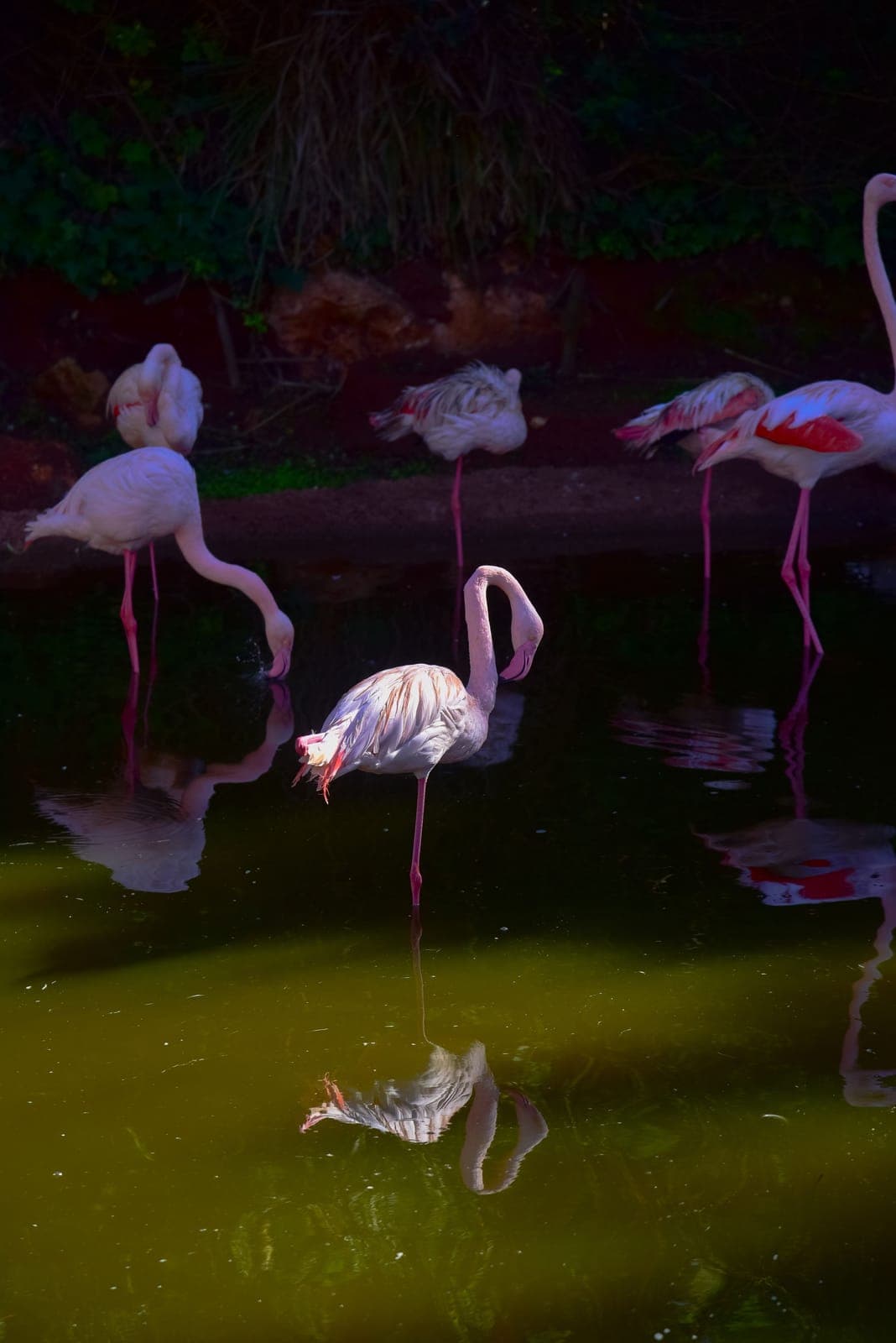
Half an hour south of Agadir lies one of the last strongholds of the northern bald ibis and a wetland where flamingos wade the Atlantic estuary. Here's how to visit Souss-Massa.
A wild coast just south of the resorts
Most visitors know Agadir for its beach and its golf. Far fewer know that thirty minutes south, the coastline turns wild: dunes, cliffs, and the broad estuary of the Oued Massa, all protected inside Souss-Massa National Park. Established in 1991 and covering some 340 km² along the Atlantic, it is one of the most important protected areas in Morocco — and the single best place in the country for birdwatching.
If wildlife is what pulls you south, our Agadir to Souss-Massa National Park day trip is built around the estuary's best hours: early morning and late afternoon, when the birds feed and the light is low.
The star: the northern bald ibis
Souss-Massa is world-famous among birders for one reason. The northern bald ibis (*Geronticus eremita*) is one of the rarest birds on earth — a strange, glossy-black bird with a bare red face and a curved bill, once found across North Africa, the Middle East, and southern Europe, now reduced to a tiny wild population. The cliffs around Souss-Massa and nearby Tamri hold the largest surviving wild colony in the world. Seeing them here, in the wild, is genuinely a once-in-a-lifetime encounter — and conservation work in the park is the reason the species still exists at all.
Flamingos, spoonbills, and the estuary
The Massa estuary itself is a shifting mosaic of lagoon, reedbed, and mudflat. Depending on the season you may see greater flamingos wading the shallows in loose pink lines, Eurasian spoonbills, marbled ducks, black-winged stilts, and — for the sharp-eyed — the occasional marsh harrier quartering the reeds. Autumn and spring migration bring waves of passage waders; winter concentrates the wildfowl. Even a non-birder comes away struck by the sheer number of birds.
Best for: birdwatching, photography, quiet nature walks, a break from the beach.
When to go
- Best months: October to April, when migrants and wintering birds are present and the heat is gentle.
- Best time of day: the first two hours after sunrise, and the last two before sunset. Midday is hot and the birds rest.
- Bring: binoculars (essential), a hat, water, and closed shoes for the estuary trail.
Combining Souss-Massa with the rest of the region
Souss-Massa pairs naturally with the other day trips out of Agadir. Freshwater and palms rather than estuary? The gorge pools of Paradise Valley are a short drive north. More interested in the people and the land than the birds? The Souss Valley argan and Berber culture tour heads inland to the argan forests and cooperatives. All three make excellent single days from an Agadir base.
Trips that go here
Guided by the team who wrote this guide.
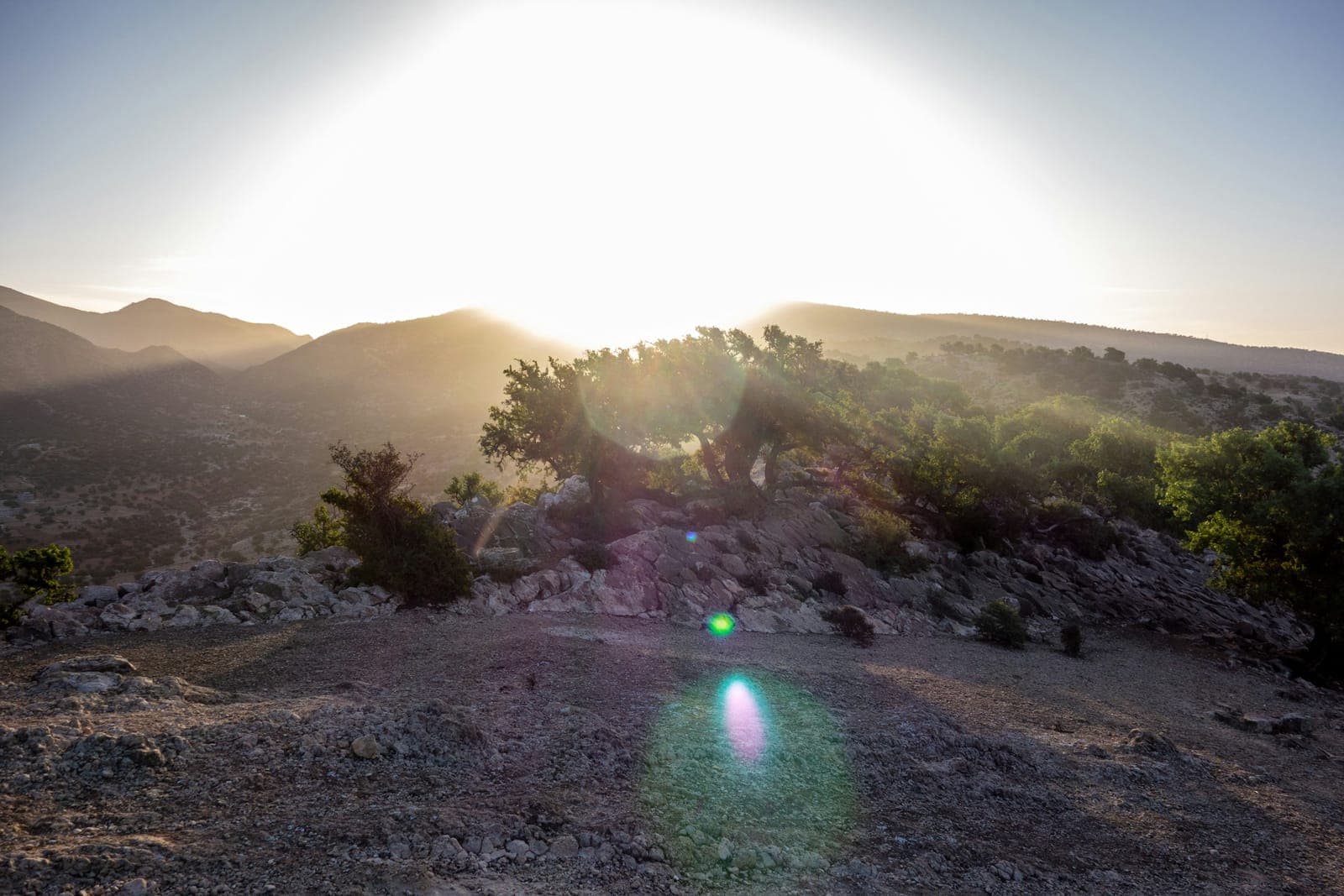
Agadir to Souss-Massa National Park — Wildlife Tour
- Northern Bald Ibis — one of the world's 10 rarest birds
- Flamingo colonies on the Massa estuary
- Atlantic dunes and coastal trail
€51 / person for 6+
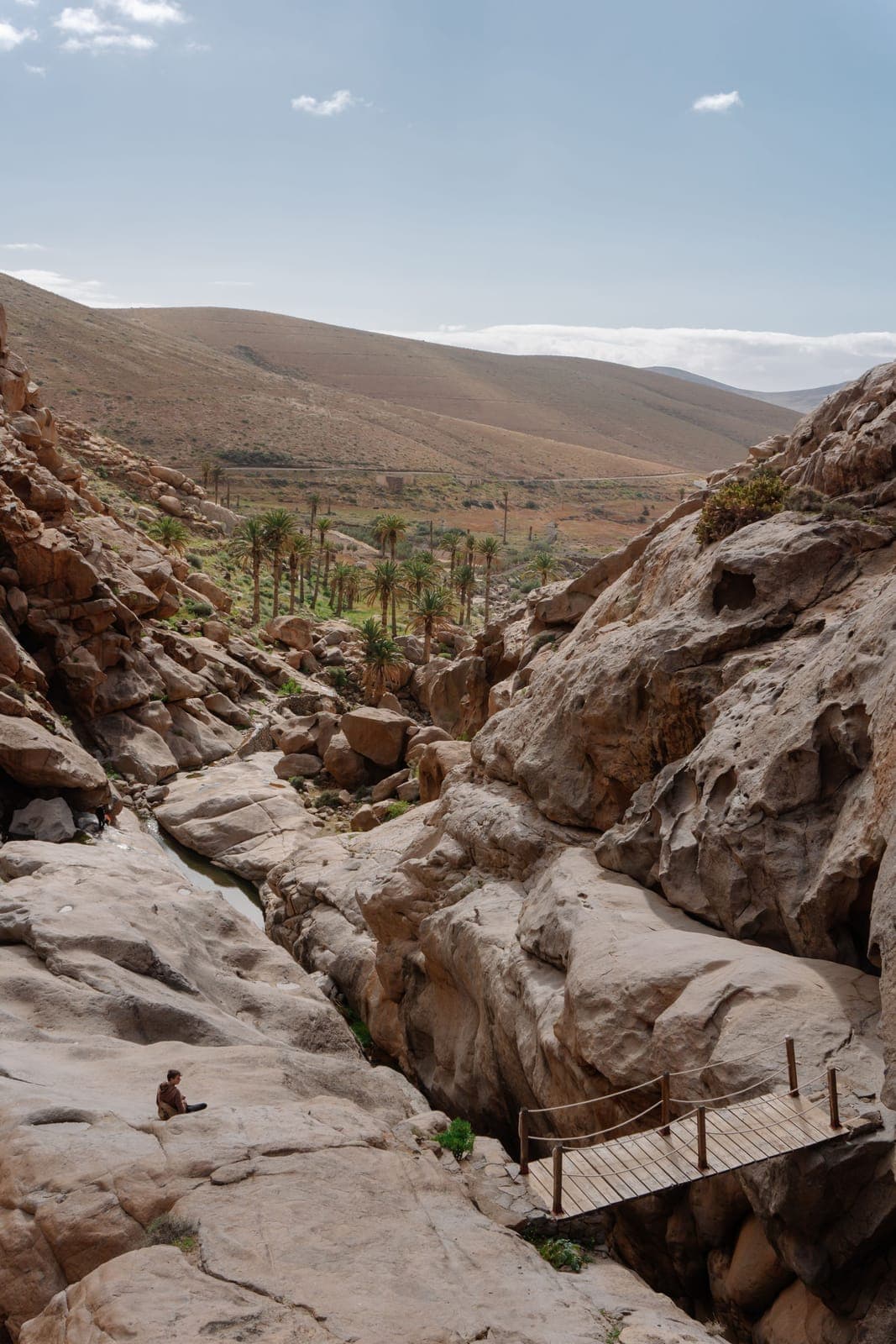
Agadir to Paradise Valley & Immouzer Waterfalls
- Natural swimming pools in a palm gorge
- Hike through dramatic canyon scenery
- Immouzer waterfall (seasonal)
€22 / person for 6+
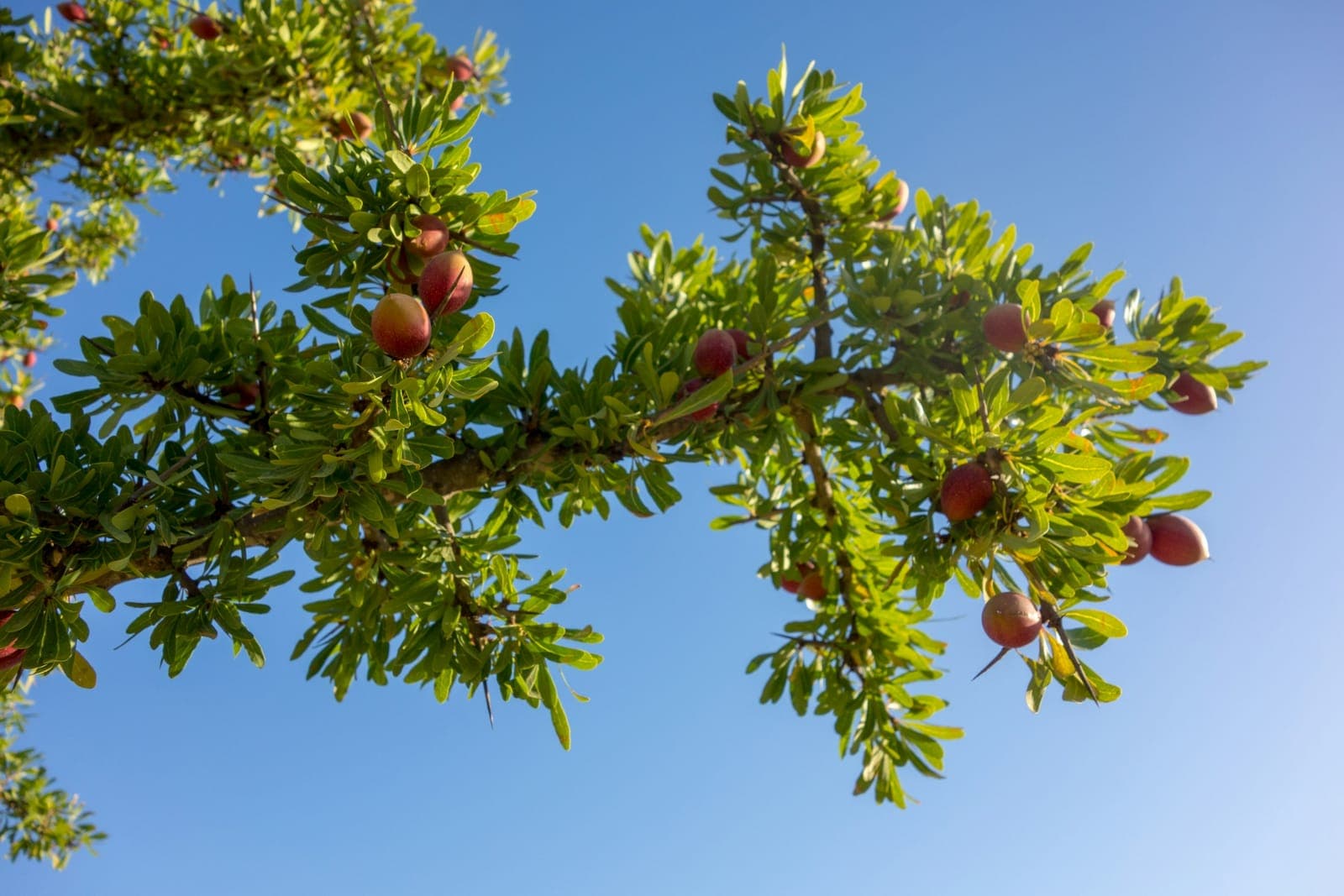
Agadir to Souss Valley — Argan & Berber Culture Tour
- Women-run argan oil cooperative visit and tasting
- Honey village — local beekeeper demonstration
- Traditional Berber family lunch
€26 / person for 6+