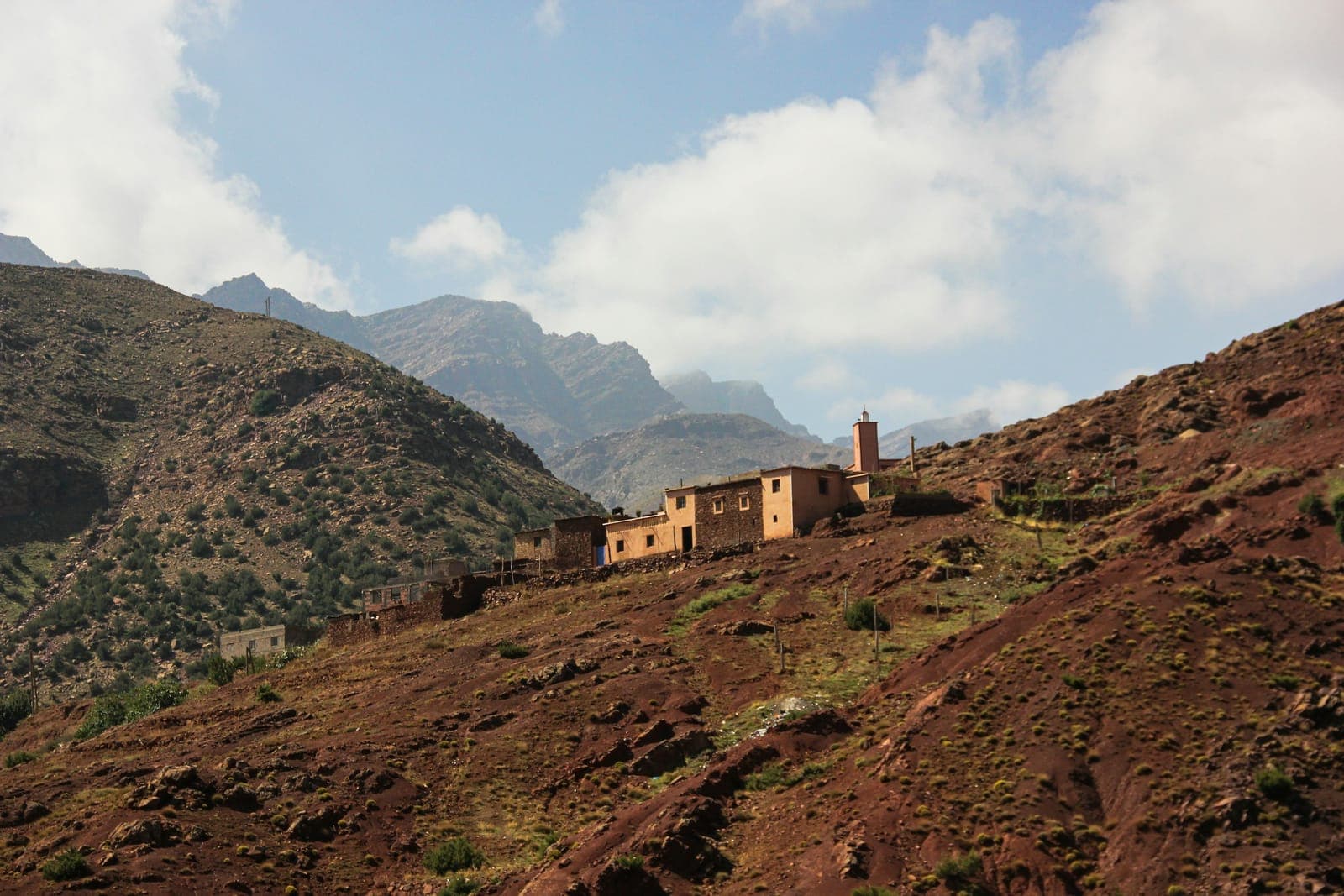
The Anti-Atlas is older than the Himalayas, less visited than the High Atlas, and arguably more beautiful. Here is the guide to trekking Morocco's most under-explored mountain range.
The Anti-Atlas: Morocco's Best-Kept Secret
While trekkers crowd the Toubkal massif in the High Atlas, the Anti-Atlas — 200 km to the southwest — sits almost entirely un-visited. This is extraordinary, because the landscape is among the most dramatic in North Africa: ancient pink granite outcrops, deep rose-coloured valleys, Amazigh villages perched on impossibly steep hillsides, and almond orchards that turn white and pink every February.
The Anti-Atlas is geologically ancient — its defining mountain-building event, the Pan-African orogeny, dates to roughly 700–600 million years ago, but the range's deep basement rock goes further still: some of the gneiss and schist exposed here crystallised somewhere between two and three billion years ago, among the oldest rock on the African continent. Long before the much younger, sharper High Atlas was pushed up by the same tectonic forces that are still closing the Mediterranean, this landscape had already been eroding for an almost unimaginable span of time. You feel it underfoot: rounded pink granite domes and worn valleys rather than jagged peaks, a landscape shaped by patience rather than violence.
Where to Base
Tafraoute is the gateway to the Anti-Atlas and one of the most pleasant small towns in Morocco. Set in a bowl of pink granite and palm trees at 1,200 m, it has good riad accommodation, a lively Wednesday souk, and direct access to the best trekking in the region. Two nights minimum; four nights if you want to explore properly.
The Ameln Valley, north of Tafraoute, is a 20 km valley of almond and argan terraces beneath 2,000 m granite walls — one of the most beautiful landscapes in Morocco. The villages along the valley — Oumesnat, Afella, Tafektast — have been inhabited for centuries and maintain strong traditions of architecture, craft, and Tachelhit (Berber) language and culture.
Key Treks
We guide these routes ourselves — see our Anti-Atlas trekking tour from Agadir.
Ameln Valley Circuit (2 days, moderate)
The finest introduction to the Anti-Atlas. Start in Tafraoute, trek north into the Ameln Valley, overnight in Oumesnat village with a Berber family, continue through the upper valley to the Jbel Lkest plateau (2,359 m), and descend back to Tafraoute. Total distance: approximately 35 km.
Highlights: Village homestay, panoramic views from Jbel Lkest, terraced almond orchards, ancient rock engravings at Aït Herbil.
Jbel Lkest Summit (1 day, challenging)
The highest peak in the Anti-Atlas. A full-day ascent from the Ameln Valley involves loose scree and some exposed ridgeline walking. The summit view covers the entire Anti-Atlas range and, on clear days, the Atlantic coast near Agadir. No ropes required but a head for heights is necessary.
Painted Rocks Circuit (half-day, easy)
A short walk from Tafraoute to the Painted Rocks (Les Rochers Peints) near the village of Aguerd Oudad — enormous granite boulders painted blue, pink, red, orange and black by the Belgian artist Jean Vérame in 1984, a project that reportedly used around 18 tonnes of paint over three months, with help from the local Tafraoute fire brigade, and was created as a tribute to his late wife. Vérame had already spent years painting rock formations in remote landscapes in Egypt, Chad and Texas before choosing this site. The paint has weathered heavily in the decades since and been periodically restored; opinion locally and among visitors is genuinely split on whether it improves or vandalises the landscape, which is part of what makes it worth seeing for yourself. The surrounding boulder field, roughly 18 acres of raw granite, is extraordinary for scrambling and photography regardless of which side of that debate you land on.
Lion's Face Rock (1 hour, easy)
A natural rock formation 3 km from Tafraoute that, from the right angle, perfectly resembles a lion's profile. An easy walk with panoramic views over the palm grove. Go at sunset for the best light on the granite.
February: Almond Blossom Season
The Anti-Atlas's almond trees bloom in February — typically the last two weeks, though it varies with temperature. When the orchards are in blossom, the Ameln Valley turns white and pink against the rose-coloured granite. It is one of the most beautiful natural events in Morocco and one of the least visited.
The Tafraoute Almond Festival (usually mid-February) celebrates the blossom with music, food, and cultural events in the town centre. Worth planning a trip around.
Wildlife
The Anti-Atlas has exceptional birdlife. Moussier's Redstart is endemic to Morocco and common in the rocky terrain here. Barbary Partridge, Desert Warbler, Tristram's Warbler, and Levaillant's Woodpecker are all present. The endangered Bald Ibis (Northern Bald Ibis) has a small wild population in the Souss-Massa National Park, 60 km north of Tafraoute.
Reptiles: The Anti-Atlas is one of the best places in Morocco for desert reptiles — Moorish Gecko, Starred Agama, and several rare sandboa species can be seen on warm rocky slopes.
Practical Details
Getting there: 2.5 hours by road from Agadir (100 km, paved all the way). Bus service (Supratours) from Agadir: daily, approximately 3 hours. Private transfer from Agadir or Marrakech recommended for flexibility.
Best time: February (almond blossom), March–May (spring wildflowers, comfortable temperatures), September–November (cooler, fewer visitors). Summer (July–August) is very hot at lower altitudes.
Guides: A local Anti-Atlas guide is strongly recommended — not for navigation (trails are fairly clear) but for village access, cultural context, and family homestay arrangements. Our Anti-Atlas guides are certified and have deep roots in the Ameln Valley communities.
Accommodation: Tafraoute has several good riads (150–300 MAD/night). Village homestays in the Ameln Valley (50–100 MAD/night, meals included) are the most rewarding option and directly support local families.
Frequently asked questions
Is the Anti-Atlas harder than the High Atlas?
When is the best time to trek the Anti-Atlas?
Do you need a guide in the Anti-Atlas?
Trips that go here
Guided by the team who wrote this guide.
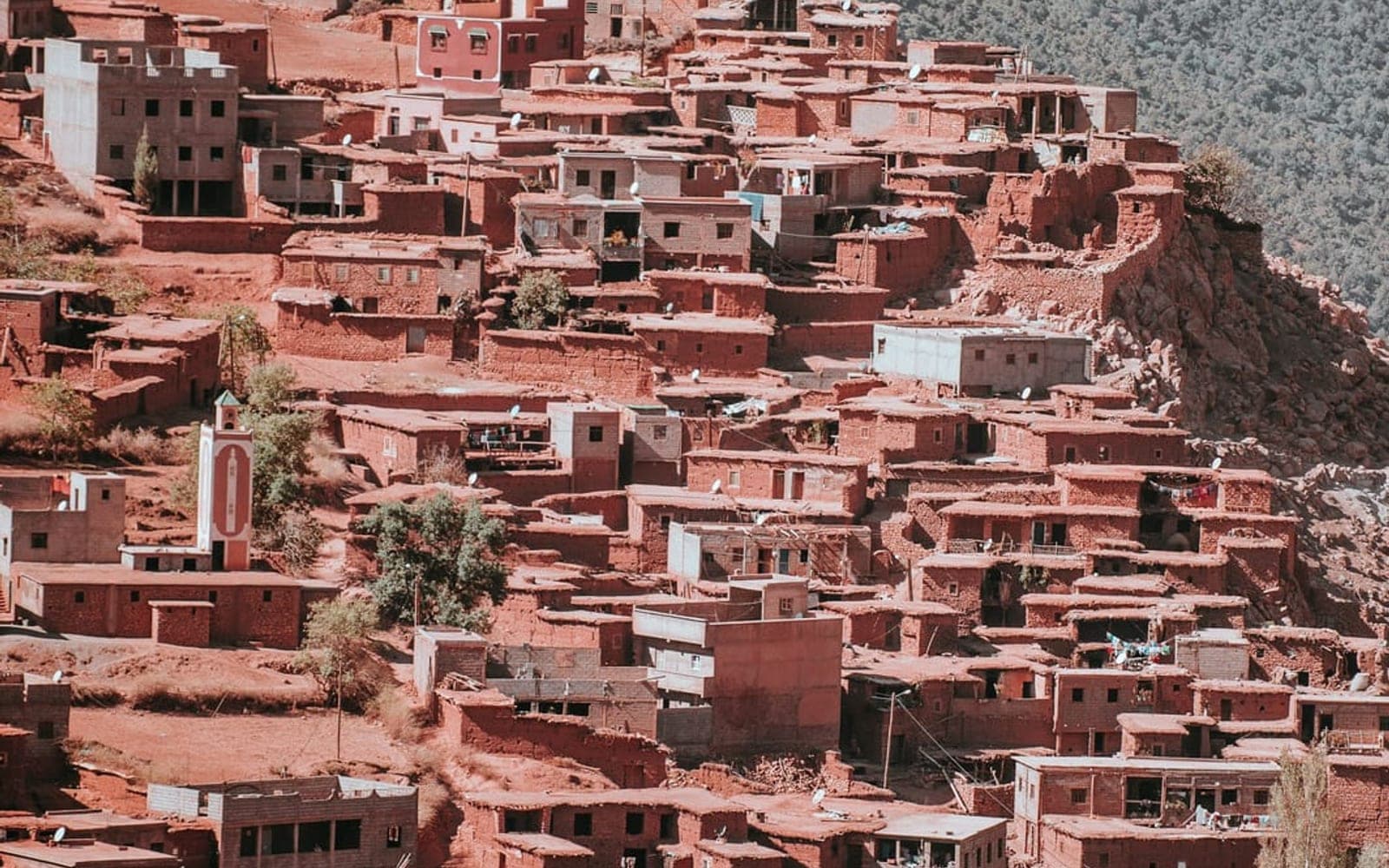
Agadir to Anti-Atlas Mountains — 3-Day Trek
- Ancient pink granite peaks of the Anti-Atlas
- Tafraoute — the painted rocks valley
- Almond blossom gorges (February–March)
€186 / person for 6+
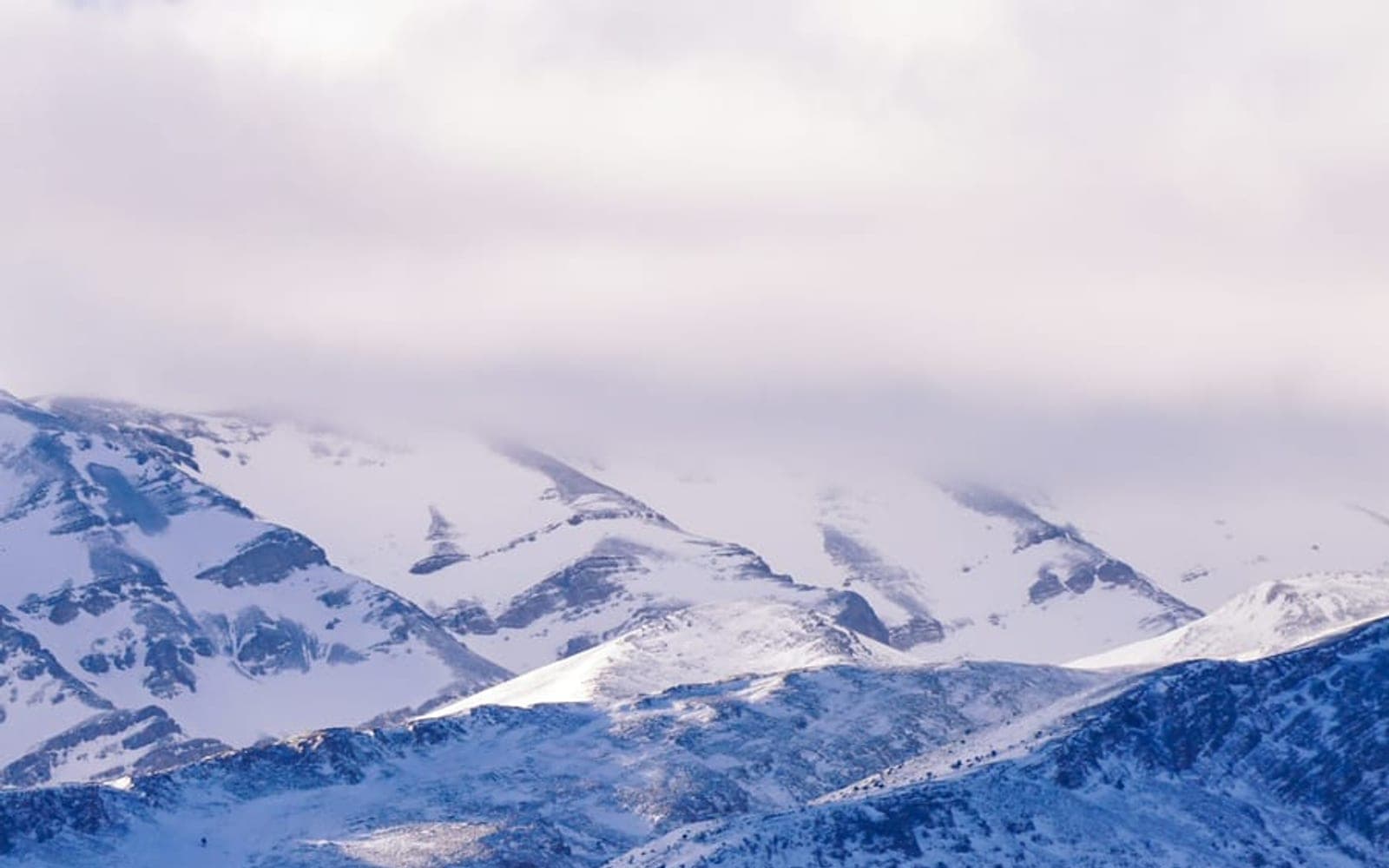
Marrakech to Mgoun Massif — 7-Day Traverse
- Summit Jbel Mgoun — Morocco's 2nd highest peak at 4,068 m
- Completely off the tourist trail
- Berber family homestays in remote villages
€596 / person for 6+