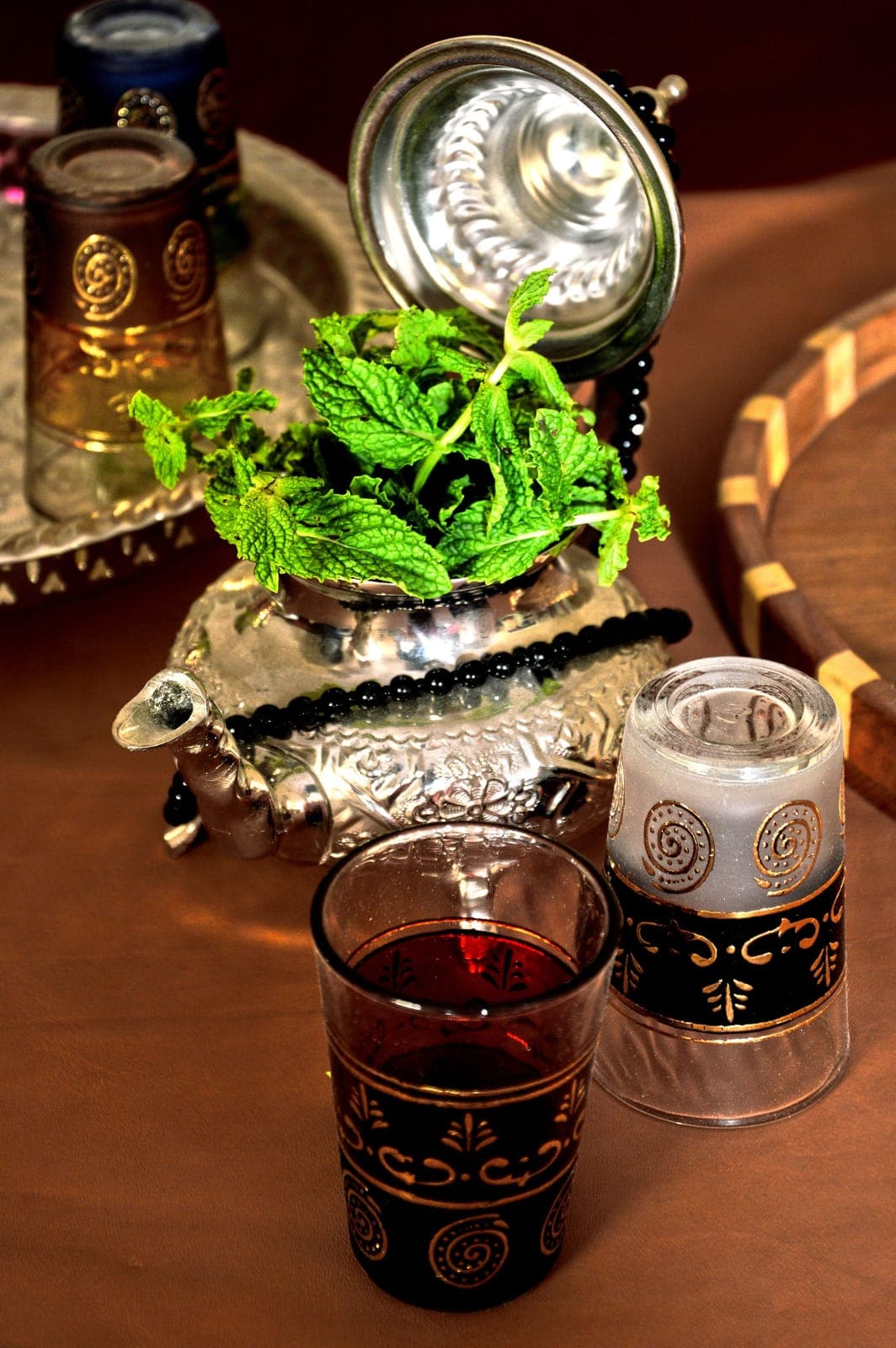
Morocco is a Muslim-majority country where alcohol is legal but tightly channelled — sold in specific places, to specific rules. Here's how it actually works.
Legal, but Channelled Through Specific Places
Morocco is a Muslim-majority country, and most Moroccans don't drink alcohol for religious reasons. That doesn't mean it's unavailable to visitors — it's legal, but sold and consumed through a specific set of channels rather than openly on every street corner the way it might be at home.
The legal framework behind this dates to a 1967 royal decree that technically forbids selling alcohol to Muslim citizens, who make up around 98% of the population, while permitting sale to foreigners. In practice the rule is enforced loosely and inconsistently — some shops ask for ID to confirm a customer is a tourist, most don't bother — and it isn't really a rule aimed at visitors at all. As Morocco's own communication ministry has put it publicly: officials aren't checking every shop to see whether Moroccan customers are buying, but the law stays on the books as the formal position. For a visitor, the practical upshot is simple regardless of the legal nuance underneath it: alcohol is available to you through licensed channels, and how strictly any individual shop applies the letter of the law isn't something you need to navigate.
A Longer History Than the Law Suggests
Morocco has produced wine for over 2,000 years, predating the arrival of Islam in the region by centuries — this isn't a modern import, it's a genuinely old local industry that religious practice later constrained rather than eliminated. The French Protectorate period (1912–1956) expanded that industry considerably, particularly around Meknes, which colonial authorities developed into a significant wine-producing region, and the vineyards planted then are part of why Morocco remains one of the larger wine producers in the Arab world today. Walk into a well-stocked liquor shop in Marrakech or Casablanca and a meaningful share of what's on the shelf will be domestic Moroccan wine, not imported.
Where You Can Buy and Drink It
Licensed hotel bars and restaurants are the most reliable option in any city, and most mid-range and upmarket riads and hotels serve alcohol to guests even if the building looks traditional from outside. Standalone bars exist in Marrakech, Casablanca, Agadir and other larger cities, along with beach clubs on the coast. For buying to take away, large supermarket chains — Carrefour and Marjane are the two you'll see most — have alcohol sections, and dedicated liquor shops operate in most cities with their own opening hours, commonly something like 10am–8pm, closed Sundays.
What's Actually Restricted
The legal drinking age is 18. Public drinking — in the street, in a park, openly in the medina — is a criminal offence in Morocco, not just a social faux pas, and visible drunkenness in public can lead to a fine or a short hold in custody until you've sobered up. The practical rule is simple: drink in licensed venues or private accommodation, and be discreet moving alcohol between the two — don't carry visible bottles through the souks.
This matters more than it might seem, because Morocco's relationship with alcohol runs on a kind of public/private divide rather than a strict availability divide. It's genuinely easy to buy and drink; it's genuinely frowned upon to do either visibly, and the law backs that social expectation with real (if unevenly enforced) consequences. Visitors who treat Morocco like a country with no restrictions at all, rather than one with restrictions concentrated on visibility, are the ones who occasionally run into trouble.
Away From the Cities
Once you're outside major cities — in the small towns along a desert route, or the mountain villages on a High Atlas trek — licensed venues thin out fast, and many rural areas have none at all. Small, more conservative communities may have no alcohol available anywhere nearby, licensed or otherwise. If having a drink on a multi-day trip matters to you, the practical approach is to buy what you want in Marrakech or Agadir before you depart, rather than expecting availability along the route, and to drink it discreetly at your accommodation rather than assuming the same casual attitude that might apply in a beach-club city.
This applies to our own trips too, and guests ask often enough that it is worth stating plainly: village guesthouses and mountain refuges on a High Atlas trek do not serve alcohol, and the Agafay desert camp is licensed. Bring your own for the mountains if you want it, and nobody will mind you drinking it at the guesthouse.
Ramadan Changes This
During Ramadan, many liquor shops and some bars stop selling alcohol for the month, or restrict service to hotel guests. If your trip falls during Ramadan — see Visiting Morocco During Ramadan for the 2026 dates — plan ahead rather than assuming normal availability. This is also the month where the visibility rule matters most: eating and drinking in public during fasting hours is broadly discouraged for everyone, tourists included, and that extends naturally to alcohol.
A Practical Summary
If you want a drink in Morocco: book accommodation that serves alcohol (most mid-range and up do), or plan a stop at a licensed shop or supermarket in a city before heading somewhere more rural. Keep it inside private or licensed spaces. Expect availability to shrink the further you get from Marrakech, Casablanca, and the coastal resort towns, and to shrink further still during Ramadan. None of this makes Morocco a difficult place to have a drink — it just makes it a place where the drinking happens somewhere specific rather than anywhere at all, which is a different thing from it being hard to find.
If you are still deciding where the trip goes, that geography matters more than the law does. Marrakech and the coast are straightforward; the desert and the mountains are where availability thins out. Our desert tours each state what the camp serves, and the High Atlas treks run through villages where the answer is simply no — worth knowing before you book rather than after.
Frequently asked questions
Is alcohol legal in Morocco?
Can I drink in public in Morocco?
Will alcohol be available on a desert or mountain trip?
Does this change during Ramadan?
Trips that go here
Guided by the team who wrote this guide.
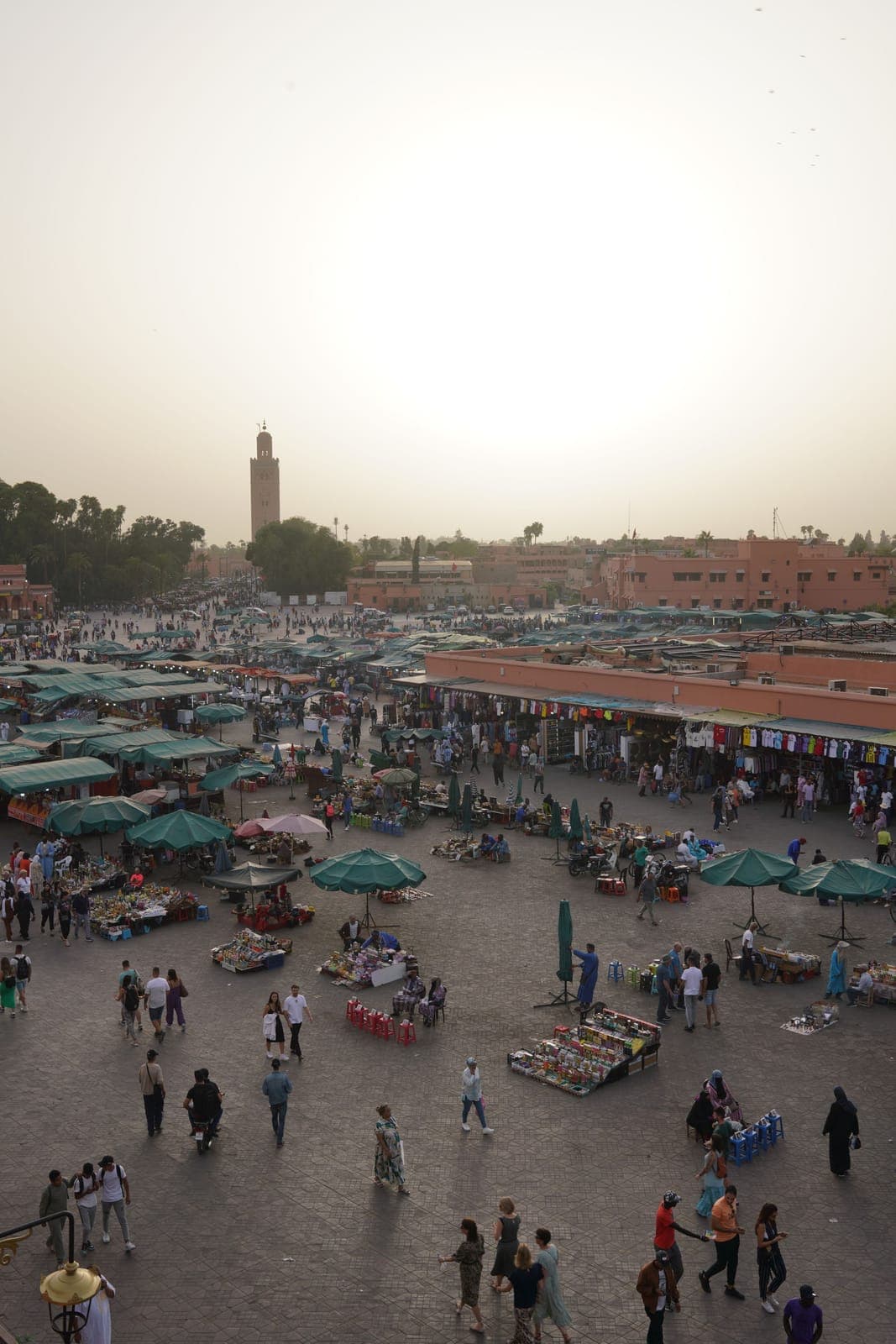
Marrakech Medina — Cultural Tour
- Djemaa El-Fna square at its most vibrant
- Leather tanneries viewed from a private rooftop
- Ben Youssef Madrasa — 16th-century Islamic college
€31 / person for 6+
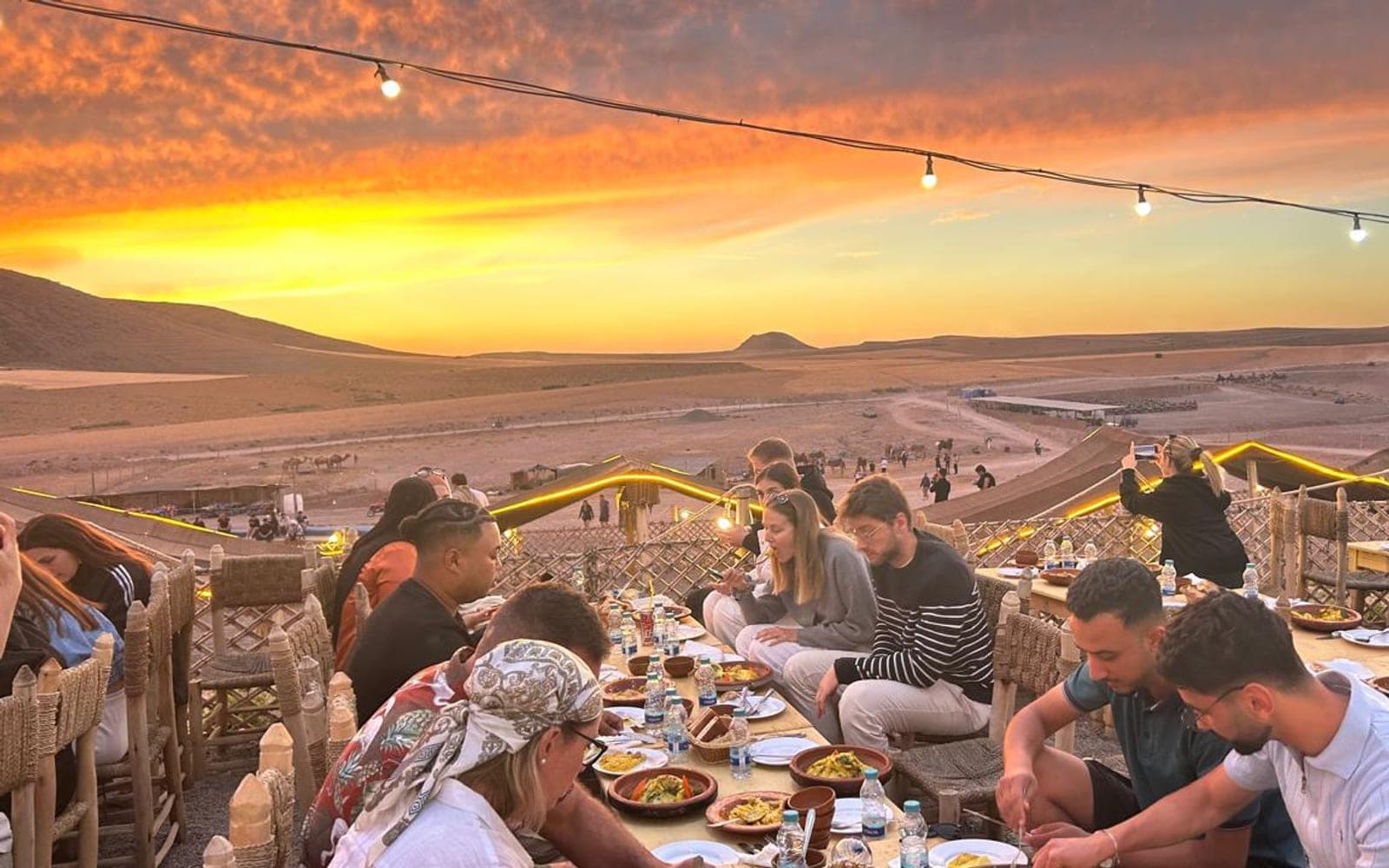
Marrakech to Agafay Desert — Sunset & Dinner
- Quad biking across the Agafay stone desert
- Camel ride to the sunset viewpoint
- Traditional Berber dinner in a desert camp
€56 / person for 6+