Morocco is a year-round destination — but the best month depends entirely on what you are planning. Here is a month-by-month breakdown from guides who live and work in the country.
Morocco Has Four Very Different Climates
Most travel guides treat Morocco as a single climate zone. That is a mistake, and it is not a minor one — the geography is the actual reason for it. Morocco is small enough to cross in a day's drive but its terrain does something unusual: the Atlantic keeps the coast temperate year-round, the High Atlas rises to over 4,000 metres and generates its own alpine winter, the pre-Saharan valleys sit in a rain-shadow the mountains create, and the true Sahara beyond that runs on a desert climate with none of the above. On the same July day, you can be in a t-shirt on the Essaouira ramparts, sweating through 40°C heat in the Marrakech medina two hours inland, and standing in shorts on a snow patch on Toubkal's upper slopes — all technically "Morocco weather," and all completely different trips. The country spans Atlantic coastline, High Atlas peaks above 4,000 m, pre-Saharan valleys, and the true Sahara. The best time to visit depends on where you are going and what you want to do.
Month-by-Month Overview
January & February
Mountains: Cold, snow above 2,000 m. Toubkal summit requires crampons and ice axe. Spectacular winter scenery for those equipped.
Marrakech city: Cool and pleasant (10–15°C). Low crowds. The pink city feels at its most local.
Sahara: Excellent — clear skies, cold nights, comfortable days (15–20°C). Best stargazing of the year.
Agadir coast: Morocco's winter sun coast. 18–22°C, very popular with European sunseekers.
Anti-Atlas: Almond blossom season (February) — the valleys around Tafraoute turn white and pink. One of the most beautiful sights in Morocco.
March & April
The transition season and one of the finest times in Morocco overall. Wildflowers in the Atlas valleys, waterfalls at full flow, green landscapes before the summer heat arrives.
Trekking: Excellent. Snow retreating from mid-altitude routes. Toubkal accessible from late April without crampons.
Sahara: Still comfortable. Heat building in April.
Coast: Warm and pleasant.
May
Often the single best month in Morocco. Warm everywhere, green mountains, not yet hot. The Ouzoud Falls are at maximum flow. Toubkal summit is typically clear of snow.
June
Early summer: hot in the south (Sahara, Draa Valley) but still comfortable in the mountains. Marrakech city reaches 35°C. The High Atlas is superb for trekking.
July & August
Mountains: The peak trekking season. Long days, clear skies, maximum daylight hours on summit bids. Busiest period at the Toubkal Refuge.
Cities (Marrakech, Fes): Very hot — 38–45°C. If you are doing city tours, start before 9:00 am and finish by noon.
Sahara: Extremely hot (45°C+). Only recommended for those who genuinely love extreme heat.
Agadir coast: Morocco's best beach weather. Atlantic breeze keeps temperatures manageable (26–28°C).
September & October
Our favourite months for almost everything. The summer crowds thin out, the heat breaks in the cities, and the Atlas wildflower season begins again. Toubkal is excellent. The Sahara is transitioning back to comfortable temperatures by October.
November & December
Cities: Excellent. Marrakech and Fes at their most atmospheric, with fewer tourists and colourful skies.
Mountains: Snow returning to the upper Atlas from November. Lower and mid-altitude routes remain excellent.
Sahara: Very good. Night temperatures drop sharply; bring layers.
Quick Reference by Activity
| Activity | Best Months |
|---|---|
| Toubkal Trek | May, June, July, August, September, October |
| Sahara Desert Tour | October, November, December, January, February, March |
| Marrakech City Break | March, April, May, October, November |
| Agadir Beach | April–October |
| Anti-Atlas Trekking | February (almond blossom), March–May, September–November |
| Essaouira | May–September (wind season, ideal for surfing) |
| Paradise Valley | April–October |
What About Ramadan?
Ramadan moves through the calendar by about ten days each year, since it follows the lunar Islamic calendar rather than the Gregorian one, so it is worth checking the specific dates for your travel year rather than assuming. It changes the rhythm of Morocco but not its beauty. Many restaurants open for non-Muslim visitors during daylight hours. The evenings after Iftar (breaking of fast) are festive and atmospheric. We continue to run tours throughout Ramadan; some cultural sites have reduced hours. One planning wrinkle worth knowing: because Ramadan drifts earlier each year, it is expected to fall in February for the next few years running, which means it will overlap with the Anti-Atlas almond blossom season mentioned above in some years — worth checking both calendars together if that combination matters to your trip. For the full picture of what changes day to day, see Visiting Morocco During Ramadan.
The Bottom Line
If you can only visit once: April, May, or October. You get every type of Morocco at its best — green mountains, comfortable desert, blue skies over the Atlantic, and lively cities without the summer heat.
If a particular festival is what you are travelling for, the timing question changes shape — see our festivals calendar by month for which dates are confirmed and which are still a window.
Frequently asked questions
What is the best month to visit Morocco?
Is Morocco too hot in summer?
When is the best time to trek in the High Atlas?
Does it get cold in the Sahara?
Trips that go here
Guided by the team who wrote this guide.

4-Day Toubkal Summit Trek from Marrakech
- Summit Jbel Toubkal at 4,167 m — highest peak in North Africa
- Sleep in traditional Berber mountain refuges at 3,207 m
- Start in the trailhead village of Imlil, deep in the Atlas
€260 / person for 6+
Marrakech to Merzouga — 3-Day Desert Tour
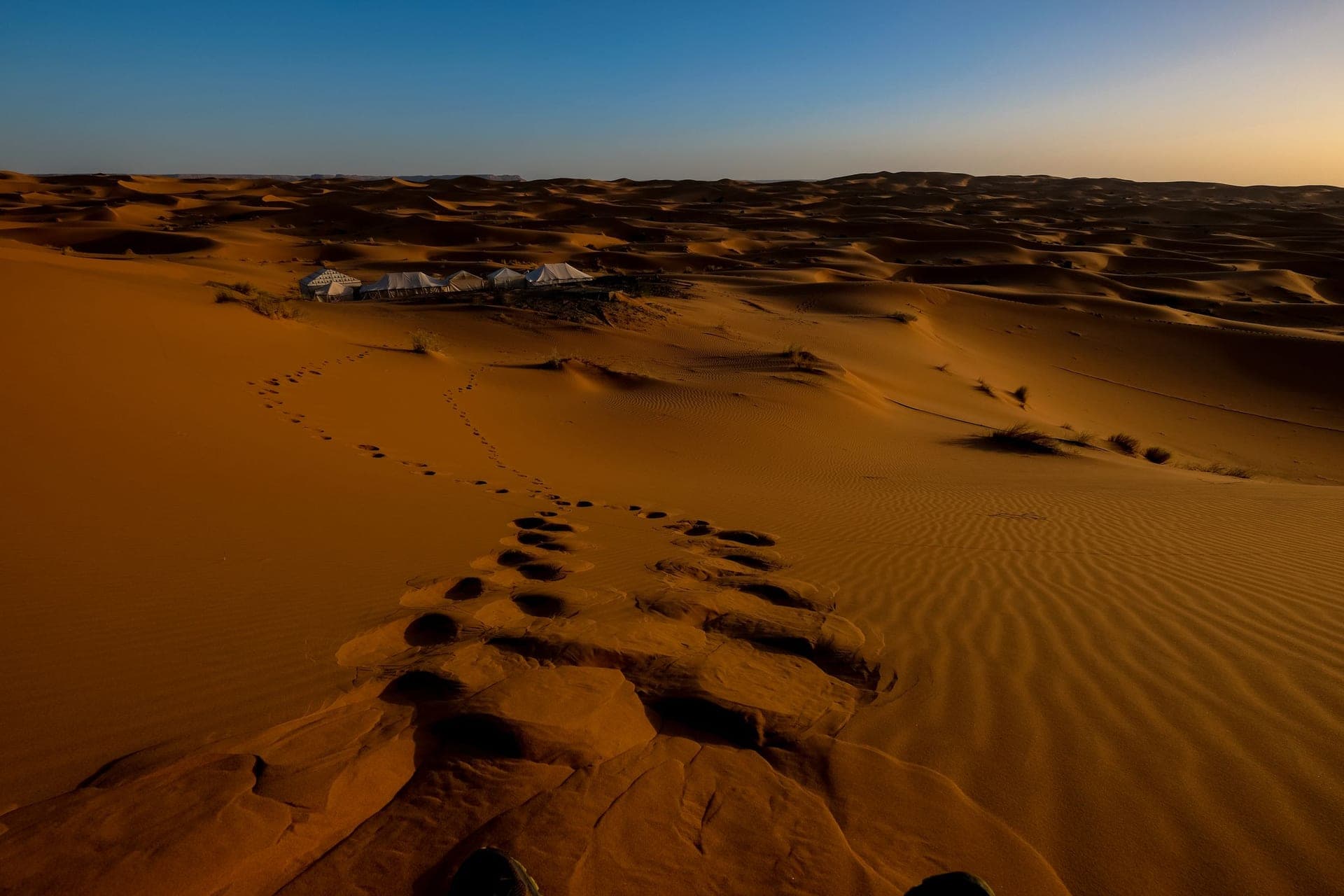
- Camel trek into Erg Chebbi dunes at sunset
- Overnight in a luxury Berber desert camp
- Stargazing with no light pollution at all
€230 / person for 6+
Marrakech Medina — Cultural Tour
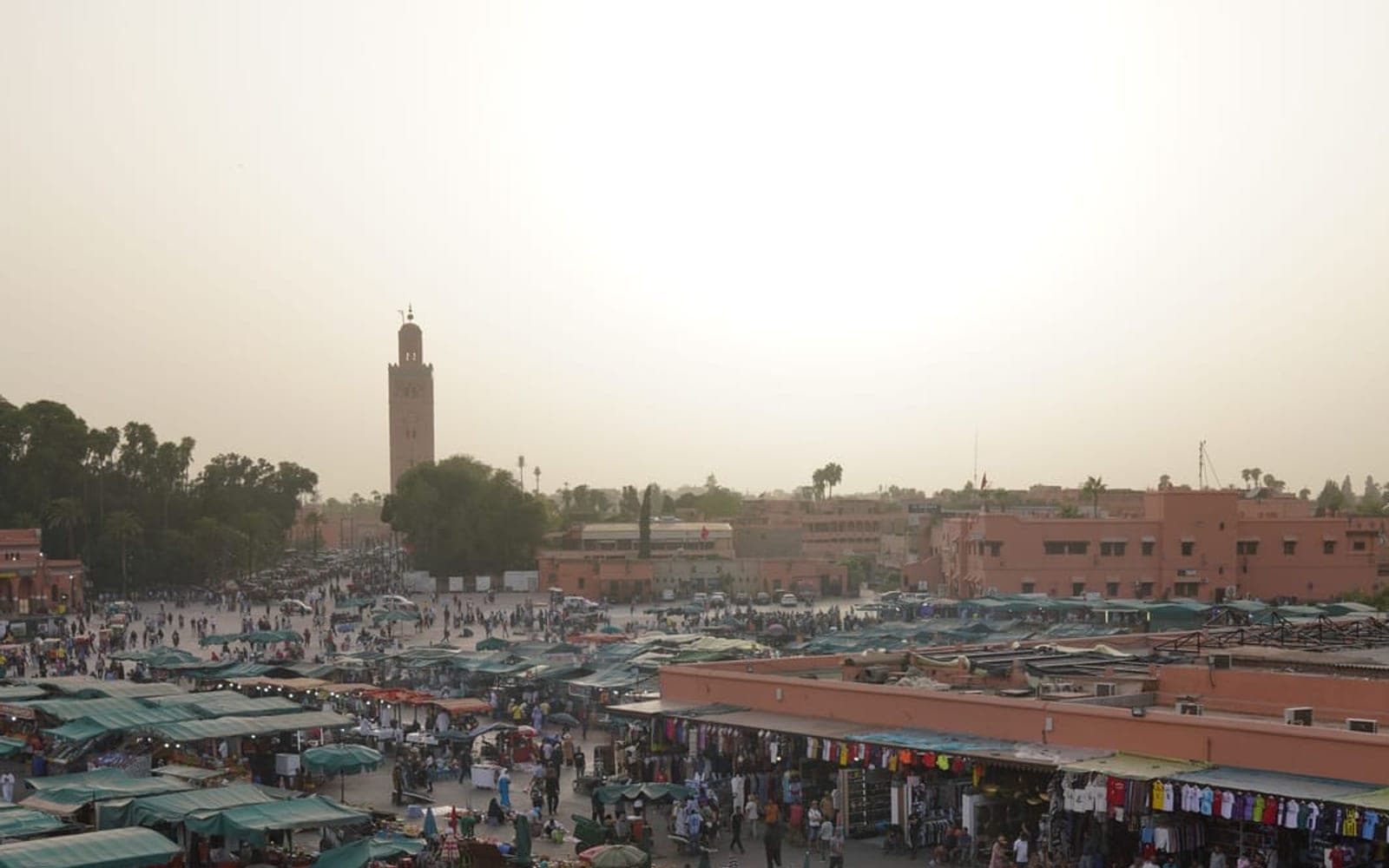
- Djemaa El-Fna square at its most vibrant
- Leather tanneries viewed from a private rooftop
- Ben Youssef Madrasa — 16th-century Islamic college
€31 / person for 6+