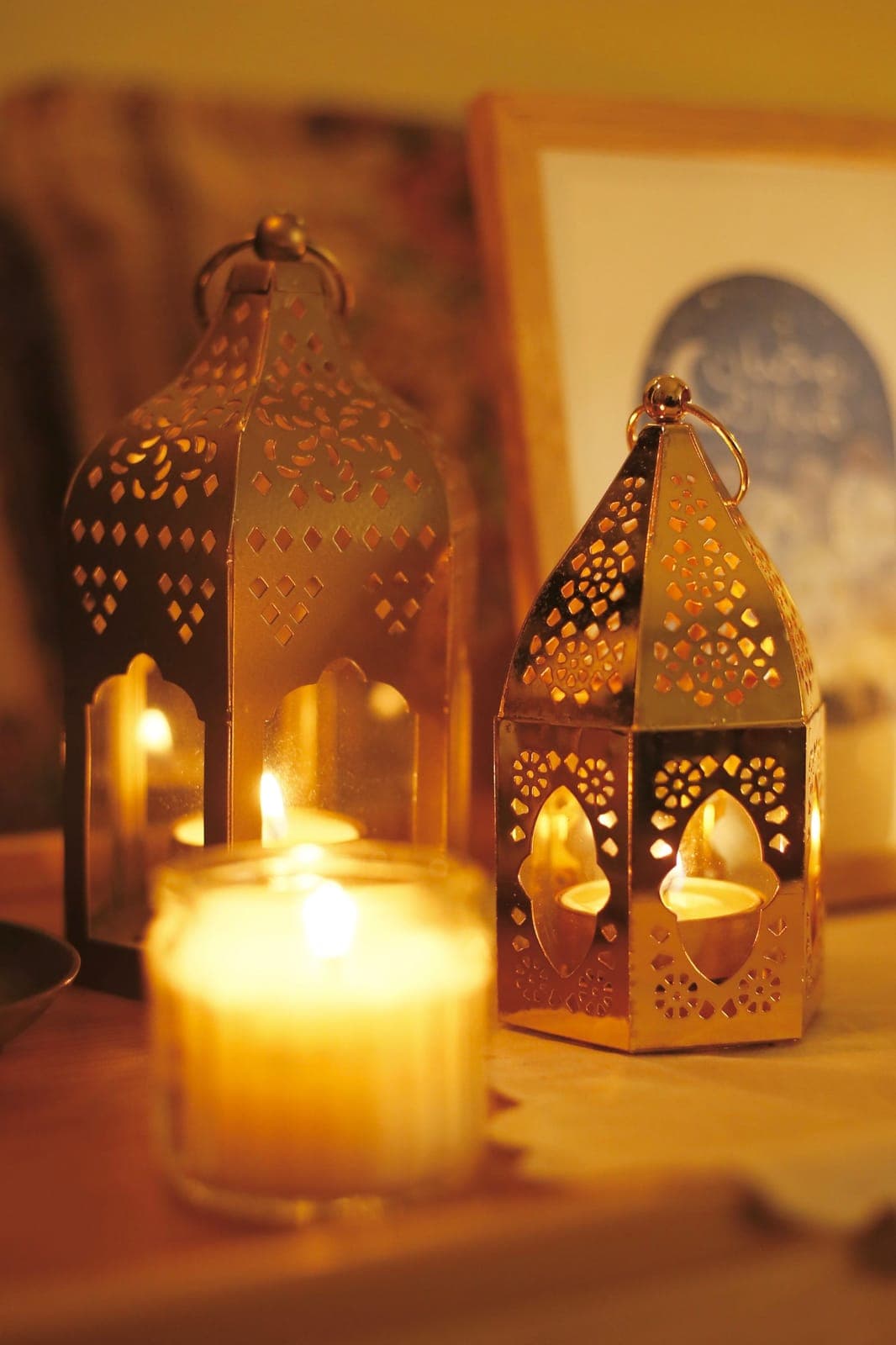
Ramadan 2026 runs mid-February to mid-March. Here's what genuinely changes for a visitor — restaurant hours, pace of life, and how to be a considerate guest — and what doesn't.
When Ramadan Falls in 2026
Ramadan 2026 runs from approximately 18 February to 19 March, though the exact start and end dates are confirmed only the evening before by the sighting of the new moon, so treat these as close estimates rather than fixed. During this month, most of Morocco's Muslim population fasts from dawn to sunset — no food, water or smoking during daylight hours — which does change the rhythm of the country, though less than many first-time visitors expect.
What Actually Changes
The clearest change is restaurant hours. Many local, everyday eateries close during the day and reopen after sunset, when the fast breaks with iftar (locally *ftour*) — the table typically opens with dates and milk or water for immediate nourishment, then harira, a thick tomato-based soup with lentils, chickpeas and often small pieces of beef, alongside sweet, honey-soaked, flower-shaped pastries called chebakia. International hotels and tourist-oriented restaurants generally stay open through the day, though the pace and atmosphere is noticeably quieter. Expect a short lull in service right around sunset, when staff step away to break their own fast — build a little flexibility into evening dining plans.
Shops and souks tend to run shorter or shifted hours, often quieter in the late afternoon and busier again after dark. The overall pace of daily life slows in the daytime and picks up after sunset, when streets and cafés genuinely come alive.
A Tradition Worth Knowing About: the Nafar
In parts of Morocco, a tradition older than any restaurant schedule still plays out before dawn: the *nafar*, a town crier who walks the neighbourhood streets in the dark, beating a drum or blowing a horn to wake people for suhoor — the pre-dawn meal eaten before the day's fast begins. It's a role often passed down within a family, generation to generation, and hearing it if you happen to be awake at that hour is one of those small, unplanned details that tells you more about a place than a monument does. Suhoor itself tends to be substantial: griddle breads like msemen or harcha with honey, bissara (a thick fava bean soup), leftover harira, eggs, yoghurt, and enough water and mint tea to carry through the coming day.
Eating and Drinking as a Visitor
There's no legal restriction on tourists eating or drinking during daylight hours in Ramadan. The expectation is discretion rather than abstinence — eating inside a restaurant or your riad draws no attention at all; eating conspicuously on an open café terrace in a smaller, more conservative town is more likely to be noticed. In Marrakech's main tourist districts, this is rarely something visitors need to think about. Alcohol is the one thing that does change materially: many liquor shops close for the month and some bars restrict service to hotel guests — how alcohol works in Morocco covers the normal rules and what Ramadan alters.
Tours and Treks During Ramadan
Whether to fast on a physically demanding work day is a personal decision for our guides, and Islamic practice allows exemptions for travel and strenuous labour — many guides adjust their fasting around trekking days rather than skip guiding work entirely. Tours run on schedule during Ramadan; you may simply notice your guide eating and drinking normally during a trek even if they're fasting at other times, and that's entirely within the rules, not an inconsistency.
After the Month: Eid al-Fitr
Ramadan ends with Eid al-Fitr, a genuine public holiday marked by family gatherings, new clothes, and a shared festive meal — expect some businesses, including shops and tour-adjacent services, to close for a day or two around the holiday itself. If your trip runs right up against the end of Ramadan, it's worth checking specific dates with whoever you're booked with, since Eid's start (like Ramadan's) is confirmed only once the new moon is sighted.
Is It a Good Time to Visit?
Genuinely, it depends what you're after. Major sites and treks are quieter. Evenings have an atmosphere — street food stalls, a slower, warmer pace after sunset, the nafar's drum somewhere in the dark before dawn — that doesn't exist the rest of the year. The trade-off is a quieter, slower daytime, and a little more advance planning around meal times. It is not a reason to avoid Morocco, but it is a different Morocco than an August visit — and for travellers genuinely curious about the culture rather than just the landscape, arguably a richer one.
Ramadan is one of several Moroccan dates that move from year to year. Our festivals calendar by month sets out which are fixed, which follow a harvest, and which are decided by moon sighting.
Practically: tours run as normal through Ramadan. On our desert tours from Marrakech dinner at the camp is served as the fast breaks, which is the best hour of the day to be there, and drivers plan the lunch stops around it. The Toubkal treks are barely affected at all — the mountain villages keep their own rhythm.
Frequently asked questions
Can tourists eat and drink in public during Ramadan?
Are restaurants open during the day in Ramadan?
Do treks and tours still run during Ramadan?
Is Ramadan a good or bad time to visit?
Trips that go here
Guided by the team who wrote this guide.
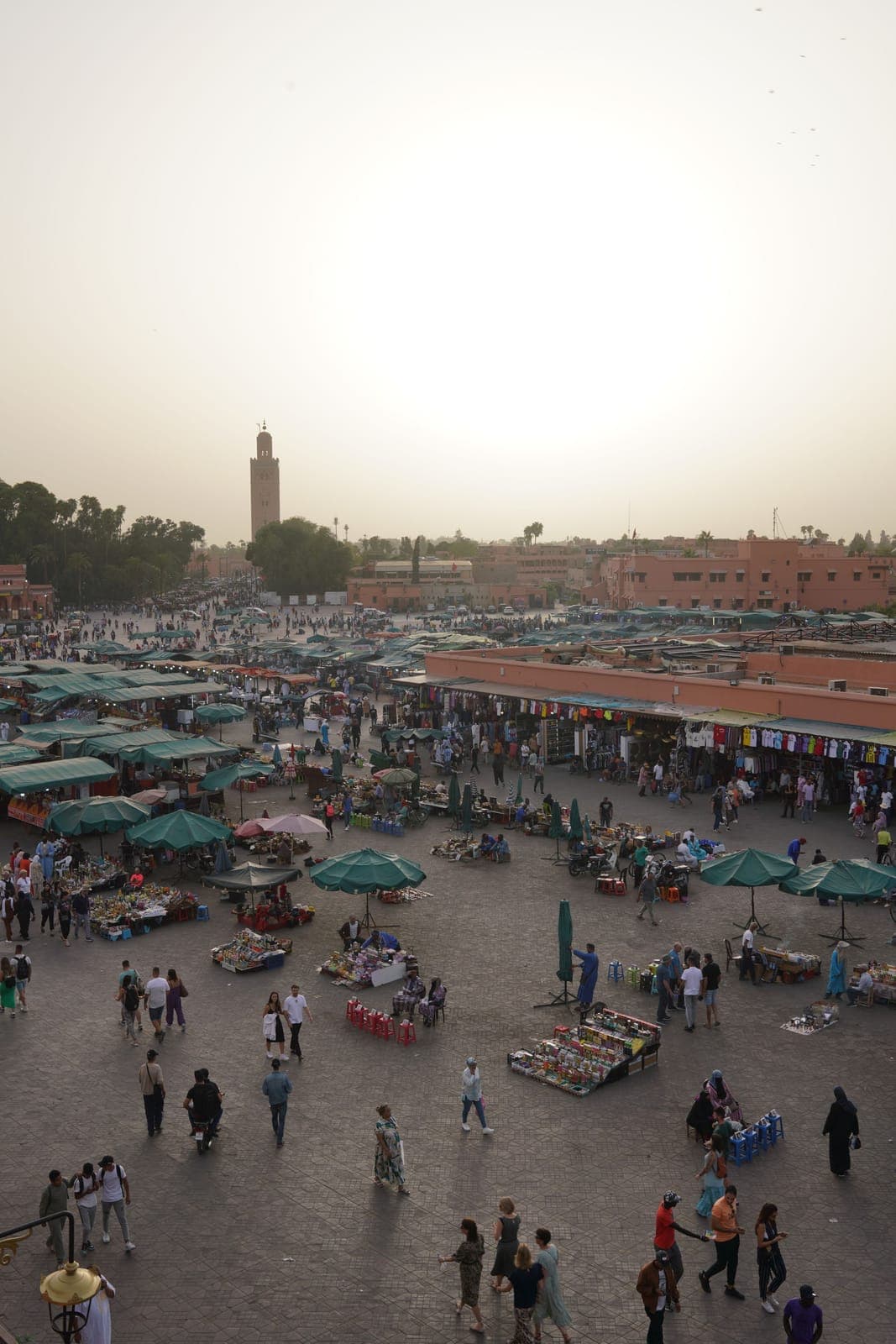
Marrakech Medina — Cultural Tour
- Djemaa El-Fna square at its most vibrant
- Leather tanneries viewed from a private rooftop
- Ben Youssef Madrasa — 16th-century Islamic college
€31 / person for 6+
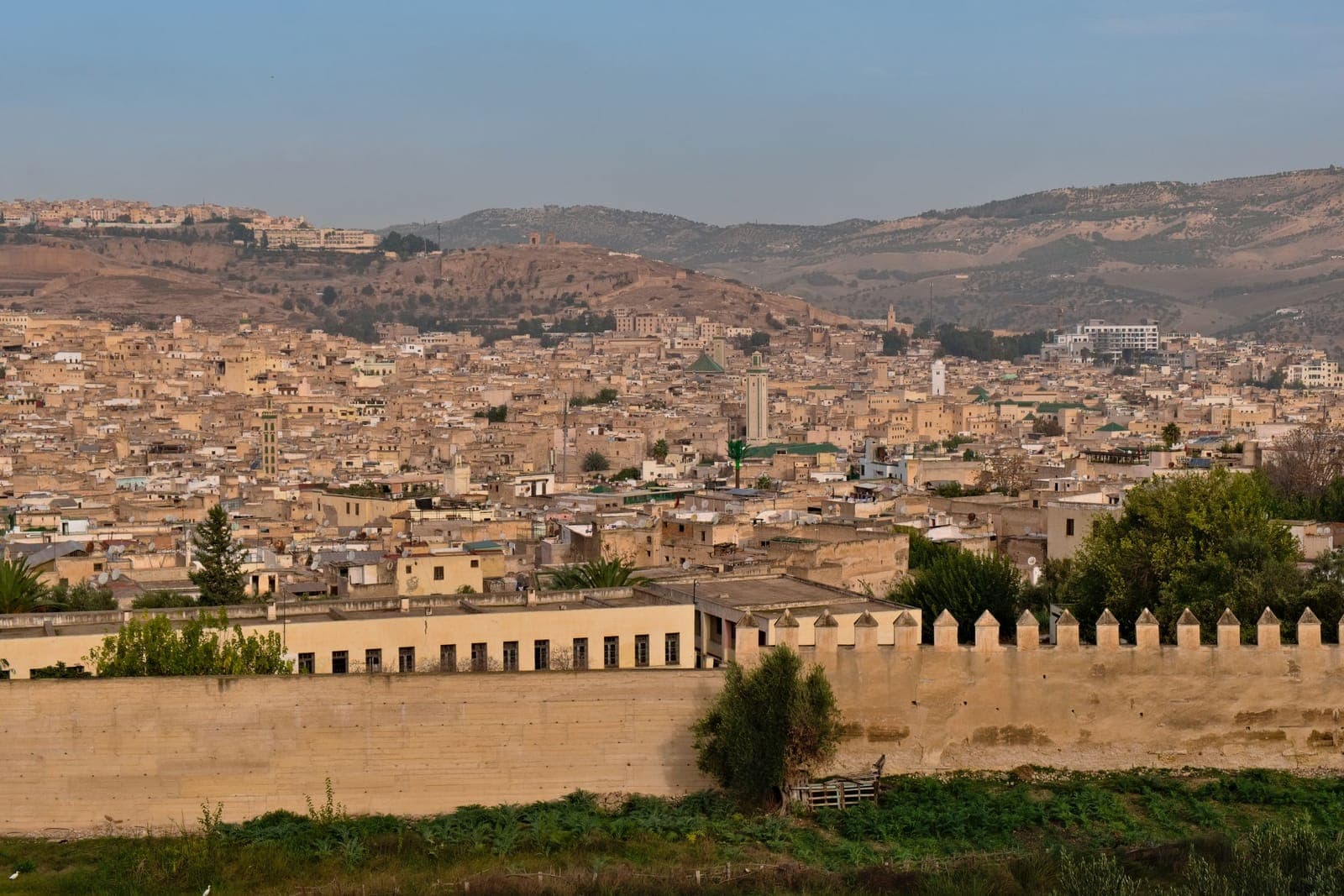
Marrakech — All 4 Imperial Cities — 5-Day Grand Tour
- All 4 Imperial Cities: Marrakech, Meknes, Fes, Rabat
- Volubilis Roman ruins (UNESCO World Heritage)
- Hassan II Mosque in Rabat
€261 / person for 6+