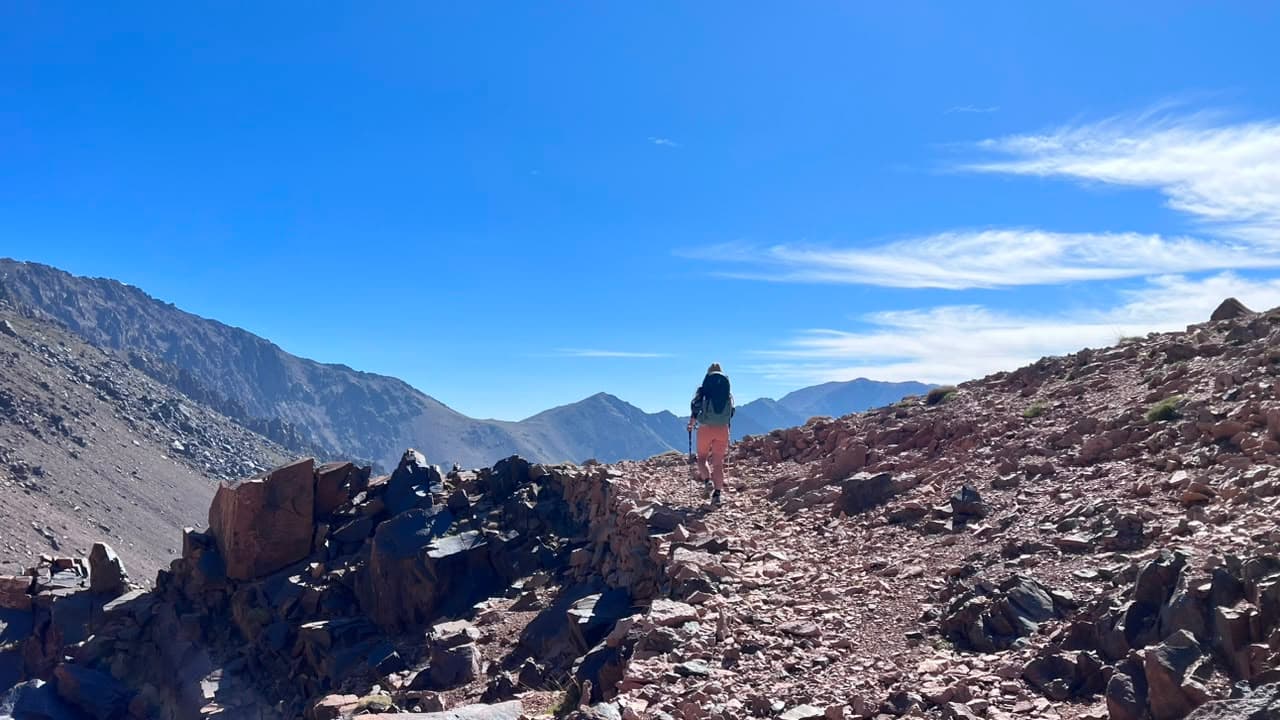
From the snowy peaks of the High Atlas to the golden dunes of the Sahara, Morocco is one of the world's great adventure destinations. This is your complete guide to exploring it.
Why Morocco?
Few countries pack as much variety into as small a space as Morocco. In a single week you can wake up above the snowline in the High Atlas, eat lunch in a 1,000-year-old medina, watch the sunset over Saharan dunes from camelback, and fall asleep to the sound of Atlantic waves. The geography is extraordinary: a country shaped by three mountain ranges, two coastlines, and the world's largest hot desert.
Morocco is also, crucially, safe, well-connected, and genuinely welcoming. It sits four hours from most of Europe, has modern airports in Marrakech, Casablanca, Agadir, and Fes, and requires no visa for most Western passport holders. The infrastructure for adventure tourism — licensed mountain guides, desert camps, riads, and local operators — has been built up over decades and is now excellent.
This guide is the root of a tree. Each section below links to a dedicated deep-dive for that region. Read it end-to-end for orientation, or jump to the region that interests you.
The Five Moroccos
Morocco is not one place. It is at least five distinct landscapes, each with its own character, cuisine, culture, and adventure offering.
The Atlas Mountains
The High Atlas runs northeast from Agadir to the Algerian border, forming a 700 km spine of peaks, many above 3,000 m. Jbel Toubkal (4,167 m) is North Africa's highest mountain and the centrepiece of the region's trekking. The valleys between the peaks — Ourika, Aït Bou Guemez, Ait Benhaddou — are inhabited by Amazigh (Berber) communities who have farmed these hillsides for thousands of years. The Atlas offers some of the finest non-technical trekking in Africa: genuine altitude, real wilderness, and deep cultural immersion.
Best for: Trekking, summit bids, Berber culture, gorge hikes, waterfall walks.
The Sahara and the South
South of the Atlas, Morocco drops into the pre-Saharan zone — a landscape of dramatic kasbahs, date palm oases, and dried riverbeds that eventually give way to the great sand seas. Erg Chebbi near Merzouga and Erg Chegaga near M'hamid are Morocco's two main dune fields, both genuinely spectacular. The route south — through Ouarzazate, the Draa Valley, and the Todra Gorge — is one of Africa's great road journeys.
Best for: Desert camping, camel trekking, kasbah tours, stargazing, photography.
The Imperial Cities
Marrakech, Fes, Meknes, and Rabat are Morocco's four imperial capitals — cities that served as the heart of successive Moroccan dynasties. Each has a UNESCO-listed medina of extraordinary complexity: thousands of alleyways, centuries-old mosques, working souks, and tanneries unchanged since the medieval period. In the north, Chefchaouen adds a fifth unmissable city — its blue-washed medina in the Rif Mountains is Morocco's most photographed urban landscape.
Best for: History, architecture, food, souks, cultural immersion.
The Atlantic Coast
Morocco's Atlantic coastline stretches over 2,500 km from Tangier in the north to Lagouira in the south. The most compelling stretch for travellers runs from Asilah through Rabat, Casablanca, El Jadida, Essaouira, Agadir, and into the deep south. Essaouira is the cultural centrepiece — a UNESCO-listed 18th-century fortified medina, designed by a French military architect for a Moroccan sultan on the site of an earlier Portuguese fort, where white walls meet Atlantic wind. Taghazout, north of Agadir, has become one of the world's premier surf destinations.
Best for: Surfing, windsurfing, seafood, coastal medinas, beach holidays.
The Agadir Region and Anti-Atlas
Southern Morocco south of Agadir is the least visited and, for many travellers, the most rewarding. The Anti-Atlas mountains are ancient — among the oldest exposed rock formations on earth — and the landscapes of Tafraoute, Tiznit, and the Ameln Valley are extraordinary. Paradise Valley, just 35 km from Agadir, offers a lush palm gorge with natural swimming pools that most visitors never discover. The Souss-Massa National Park protects one of the last wild populations of Northern Bald Ibis.
Best for: Off-the-beaten-path hiking, argan country, swimming, wildlife, authentic Berber culture.
Adventure by Type
Trekking and Hiking
Morocco's trekking options range from gentle valley walks to serious summit bids. The Toubkal massif is the obvious centrepiece, but the M'Goun traverse (4,071 m, Morocco's second highest peak) is arguably more beautiful and less crowded. The Anti-Atlas, the Rif Mountains above Chefchaouen, and the gorges of the Middle Atlas all offer excellent hiking with almost no other trekkers.
All licensed Moroccan mountain guides hold certification from the Ministry of Tourism. Always use a certified guide for any route above 3,000 m.
Desert Expeditions
A Sahara trip works best as 3–5 days minimum — long enough to get deep into the dunes, experience true desert isolation, and give the drive south its due weight as part of the experience. Single-night desert camps are available but feel rushed. The overnight camp to sunrise camel ride is the irreducible minimum.
Cultural Immersion
Morocco's cities reward slow travel. A week in Fes is not too long. The souks, the food, the architecture, the music — none of it reveals itself in a day. Budget two nights minimum in any medina city and at least half a day guided by someone who grew up there.
Water and Coast
Essaouira and Taghazout for surfing (consistent Atlantic swell, warm water relative to Europe, professional surf schools). Paradise Valley and the Ourika River for freshwater swimming, reachable as a day trip from Agadir and Marrakech respectively. The Todra and Dades gorges for river trekking. Morocco's water adventures are under-known and excellent.
When to Go
Morocco has no single best season — it depends entirely on what you are doing and where.
| Region | Best Months |
|---|---|
| Atlas Mountains (trekking) | May–October |
| Sahara and South | October–April |
| Imperial Cities | March–May, September–November |
| Atlantic Coast | May–September |
| Agadir and Anti-Atlas | March–June, September–November |
The two shoulder seasons — April–May and September–October — are the closest to universally good. Everything is accessible, temperatures are reasonable everywhere, and the crowds are manageable.
Practical Essentials
Visa: Citizens of the EU, UK, USA, Canada, Australia, Japan, and most Western countries do not need a visa for stays under 90 days. Your passport must be valid for at least 6 months beyond your travel dates.
Currency: Moroccan Dirham (MAD). Not freely convertible — exchange on arrival or at ATMs in major cities. Cards accepted in riads and restaurants; cash essential in souks, villages, and anywhere outside the cities.
Language: Arabic and Tamazight (Berber) are official languages. French is widely spoken in business and tourism. English is increasingly common in Marrakech, Agadir, and Fes. In villages, French or basic Arabic phrases go a long way.
Health: No mandatory vaccinations. Hepatitis A recommended. Drink bottled or filtered water only. Standard travel insurance covers most medical needs; add altitude cover if trekking above 3,000 m.
Getting around: Domestic flights (RAM, Air Arabia) connect the major cities in under an hour. CTM and Supratours buses are reliable for intercity routes. Shared grand taxis are excellent for short regional routes. For mountain and desert travel, private 4x4 with a guide is the best option.
Where to Start
If this is your first Morocco trip, start in Marrakech. It has the best international flight connections, the most developed tourism infrastructure, and it gives you a base for both the Atlas (day trips or multi-day treks) and day excursions south. Fly in, spend two nights in the medina, then head to the mountains or the south.
If you have been to Marrakech before, fly into Agadir for the south and Anti-Atlas, or Fes for the north and imperial cities circuit. Both reward a completely different side of Morocco. And if you already live here, exploring Morocco as a Moroccan traveller covers the same ground without the visitor assumptions.
Ready to plan the route? Our day-by-day 7-day Morocco itinerary covers Marrakech, the Atlas and the Sahara in a week, and the 10-day Morocco itinerary adds Fes and the imperial cities in one clean loop.
The deep-dive guides below cover each region in full detail.
Trips that go here
Guided by the team who wrote this guide.
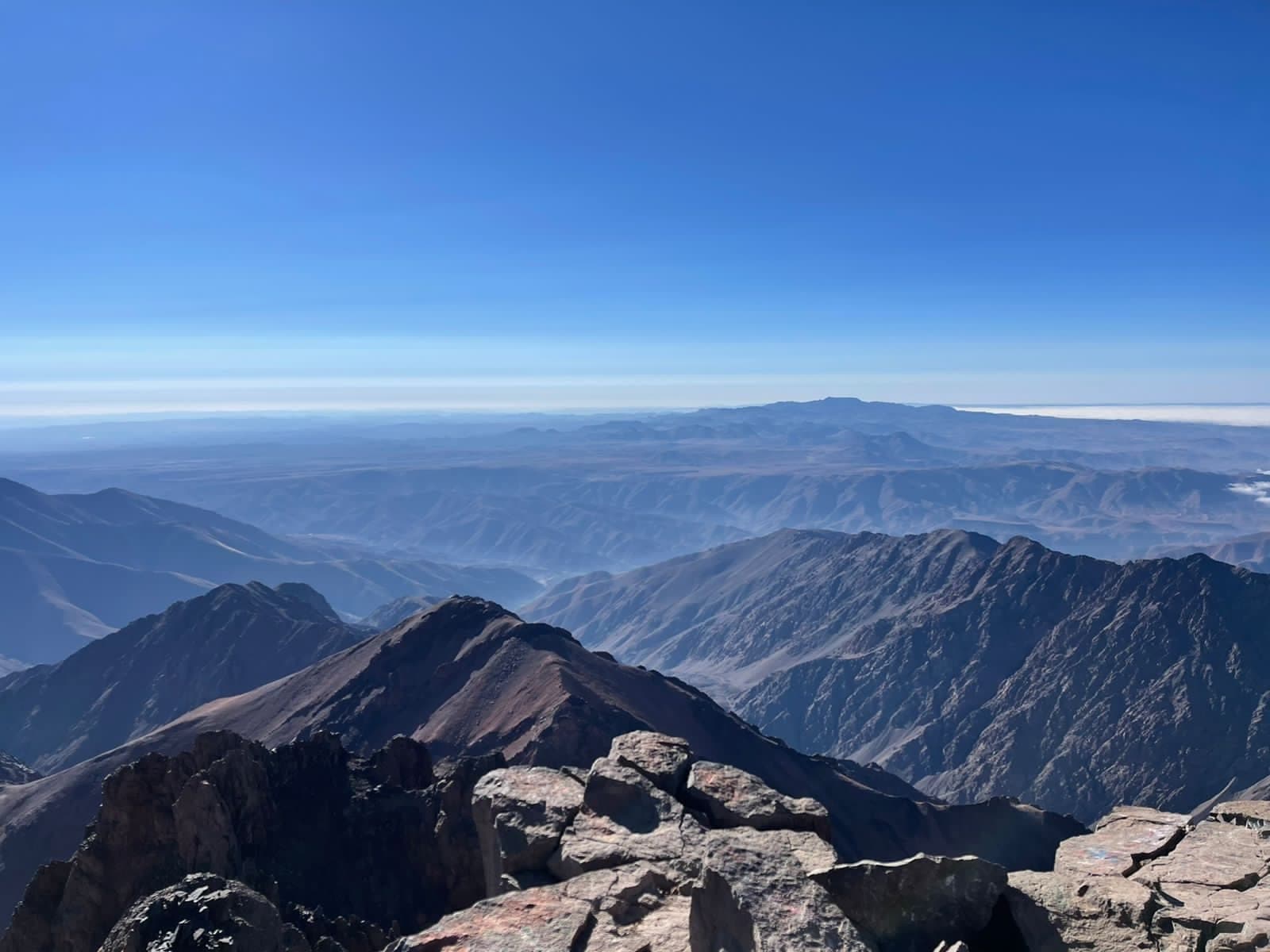
Mount Toubkal Express — 2-Day Summit from Marrakech
- Summit Jbel Toubkal (4,167 m) in just two days from Marrakech
- Overnight in the Toubkal Refuge at 3,207 m
- Pass the Sidi Chamharouch shrine and its waterfall
€153 / person for 6+
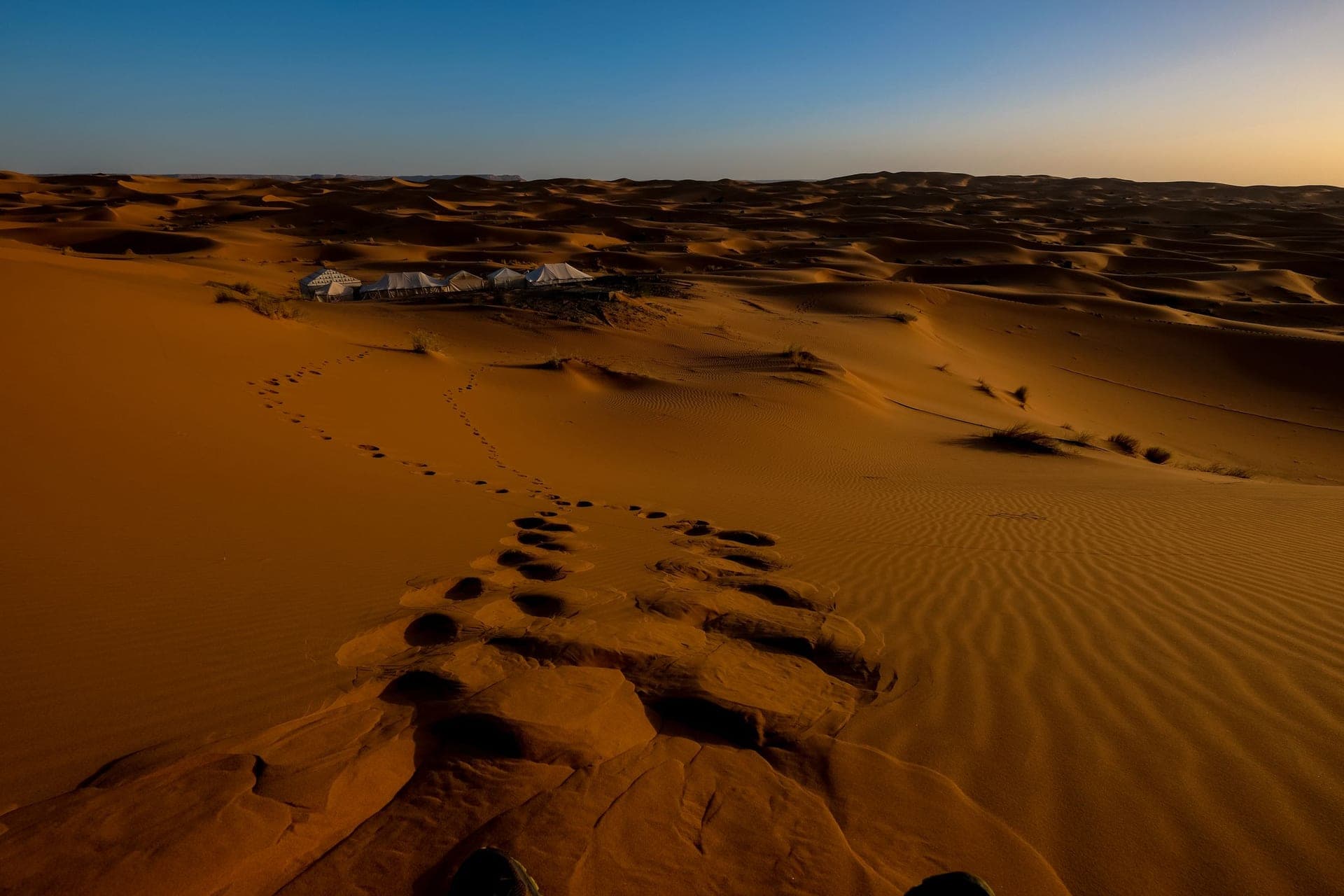
Marrakech to Merzouga — 3-Day Desert Tour
- Camel trek into Erg Chebbi dunes at sunset
- Overnight in a luxury Berber desert camp
- Stargazing with no light pollution at all
€230 / person for 6+
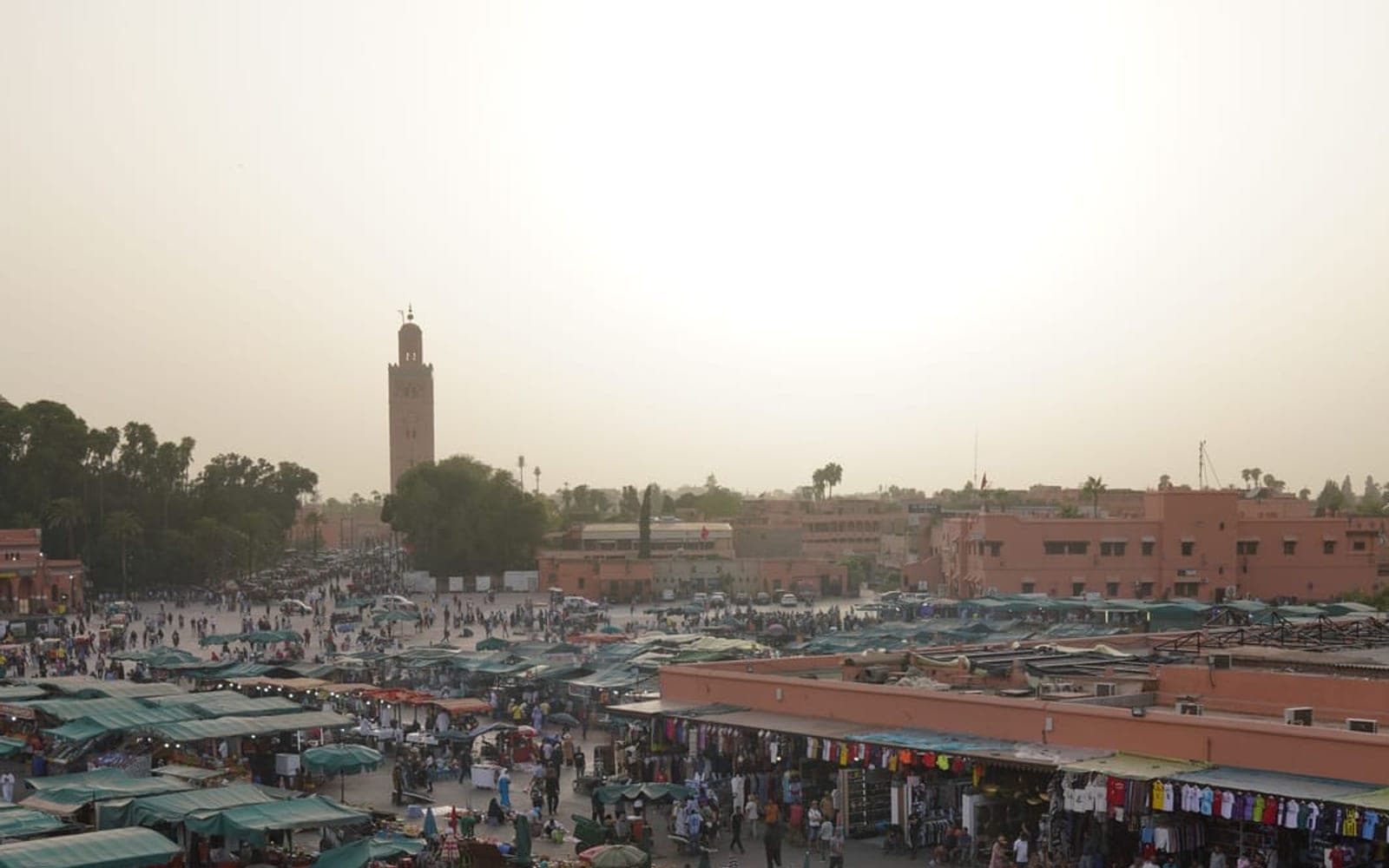
Marrakech Medina — Cultural Tour
- Djemaa El-Fna square at its most vibrant
- Leather tanneries viewed from a private rooftop
- Ben Youssef Madrasa — 16th-century Islamic college
€31 / person for 6+