Morocco is safe for solo women, and the honest caveat is that safe does not mean comfortable. What the attention actually looks like, what to wear, and the strategies that work.
The straight answer
Morocco is safe for solo female travellers. It is ranked among the safest countries in Africa for visitors, and Western government travel advisories consistently place it in their lowest or second-lowest risk tier — check your own government's current advisory before you travel, since these are reviewed periodically and the exact wording shifts, but Morocco has sat at the safe end of that scale for years. For the version of this that is not specific to women — scams, taxis, night walking, what actually goes wrong — see Is Morocco Safe?.
And: it can be tiring in a way those countries are not.
Both things are true. Guides that only tell you the first are selling something. Guides that only tell you the second are usually written by someone who had a bad three days in the Marrakech medina and extrapolated to a country of 37 million people.
We are a Moroccan operator, so we have an obvious interest in you coming. Read the following with that in mind — we have tried to write the version we would want our own sister to read.
What the problem actually is
The overwhelming majority of what solo women report falls into two buckets, and neither is violence:
1. Verbal attention. Comments in the street. Vendors who will not disengage. Men who want to talk, or to "help" you find something you were not looking for. In the Marrakech medina this can be near-constant. It is draining. It is not dangerous.
2. Being overcharged. The taxi that quotes triple. The "the tannery is closed today, but my cousin…" routine. This is a transactional annoyance and it happens to men too, just less often.
Physical harassment is far rarer and serious violent crime against tourists is rare enough to be news when it happens. That is not a promise that nothing can happen anywhere — it is a statement about relative risk, which is what you are actually trying to assess.
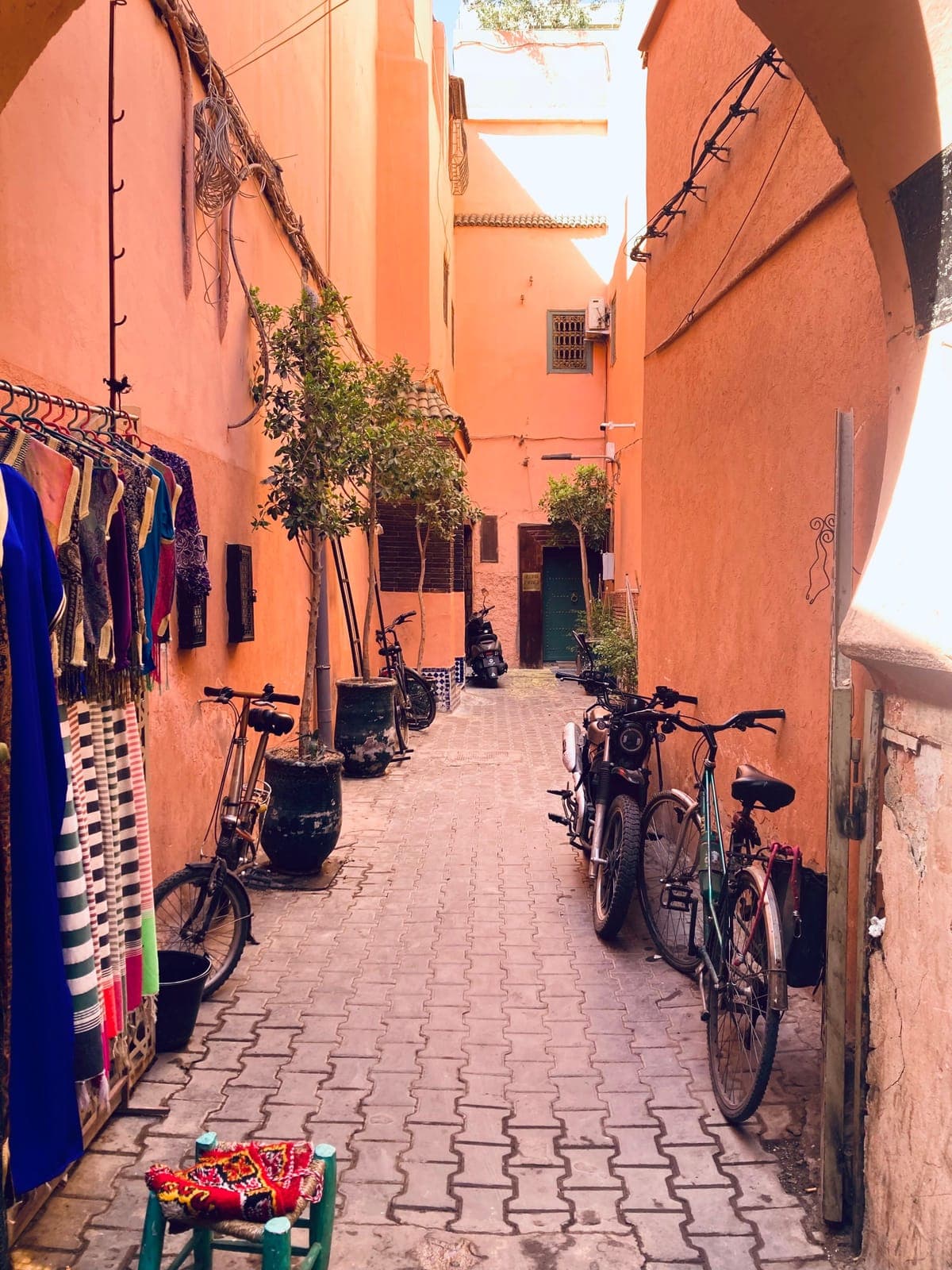
It also varies enormously by place. The medina at Marrakech and the Tangier port area are the high-hassle end. Chefchaouen, Essaouira, the Atlas villages, and the desert are quiet. In an Imlil village you are far more likely to be handed a glass of tea than bothered.
What to wear
The rule is simple: shoulders covered, knees covered, loose fabric.
You do not need a hijab. You do not need Moroccan dress. No one expects a foreign woman to dress like a local, and attempting it usually reads as costume rather than respect.
What works:
- Loose trousers or a long skirt. Linen in summer.
- T-shirts rather than vests. Anything that covers the shoulder.
- A large scarf — bring two. It is the highest-utility item in your bag: head covering at a mosque, shawl when the Atlas gets cold at night, beach cover-up in Essaouira, blanket on an overnight bus, sun protection in the Sahara.
What draws attention you would rather not have: shorts, vest tops, anything tight, in medinas and villages. On the beach at Agadir or in a resort, normal beachwear is unremarkable.
This is not about deserving anything. It is about how much of your day you want to spend being looked at.
Strategies that actually work
- Walk like you know where you are going. Touts read hesitation. Head up, steady pace, no stopping in the middle of an alley to consult a map. If you are lost, step into a shop or café and work it out there.
- A firm "la, shukran" (no, thank you) and keep moving. Do not soften it, do not explain, do not engage. Politeness that invites negotiation reads as an opening.
- Have your hotel call taxis. Removes the entire fare argument. In Marrakech, insist on the meter or agree the fare before you get in.
- A crossbody bag with a zip, worn in front in crowds.
- Wedding ring, if you want one. Some women find an invented husband ends conversations faster than anything else. Others find it insulting to have to. Both positions are reasonable.
- Trust your gut and be rude if needed. The social cost of being rude to a stranger who is bothering you is zero. You will never see them again.
The medina, specifically
Marrakech's medina is where most bad first impressions form. Some specifics:
- "This way is closed" is almost always false. It is a redirect to a shop.
- Unsolicited directions are not free. If you accept, expect a demand for payment. If you did not want to pay, do not accept.
- The Jemaa el-Fna photo economy: the snake charmers and monkey handlers charge for photos, including ones you took accidentally from a distance. Decide before you raise the camera.
- Get lost on purpose in daylight, not after dark. The medina is genuinely wonderful to wander. Do it at 10am.
Where solo women have the easiest time
Organised trips solve a lot of this, which is self-serving for us to say, so consider the reasoning rather than the source: on a trek or a desert tour, you are with a licensed guide and a group, in places where the hassle economy does not operate. Villages in the Atlas do not have touts. The Sahara does not have carpet shops.
Solo women are common on our mixed groups. If group composition matters to you, ask before booking — we will tell you honestly who else is on the departure.
A guided medina walk is also a genuinely effective way to have the first Marrakech day be pleasant rather than an ordeal: you see the place with someone who ends the sales approaches before they start, and you learn the geography well enough to explore alone afterwards.
The hammam question
Go. Public hammams are strictly separated by sex, and the women's side is one of the most relaxed spaces available to a solo woman in Morocco — loud, cheerful, and utterly uninterested in you.
Bring flip-flops, a change of underwear, and a towel. If you pay for a *gommage* scrub, expect it to be firm to the point of comedy. This is normal and you will feel remarkable afterwards.
The verdict
Go. Take the ordinary precautions you would take in any unfamiliar city, accept that Marrakech's medina will test your patience on day one, and know that it gets easier the moment you leave the tourist core.
The women we guide who have the best time are the ones who arrived expecting the attention, decided in advance it was not going to define the trip, and then went and had the trip.
Questions about a specific itinerary or a specific worry? Ask us directly. We would rather have the conversation than have you not come.
Frequently asked questions
Is Morocco safe for solo female travellers?
What should women wear in Morocco?
Do women get harassed in Morocco?
Can a woman travel alone in the Sahara or on a trek in Morocco?
Should solo women visit a hammam in Morocco?
Trips that go here
Guided by the team who wrote this guide.
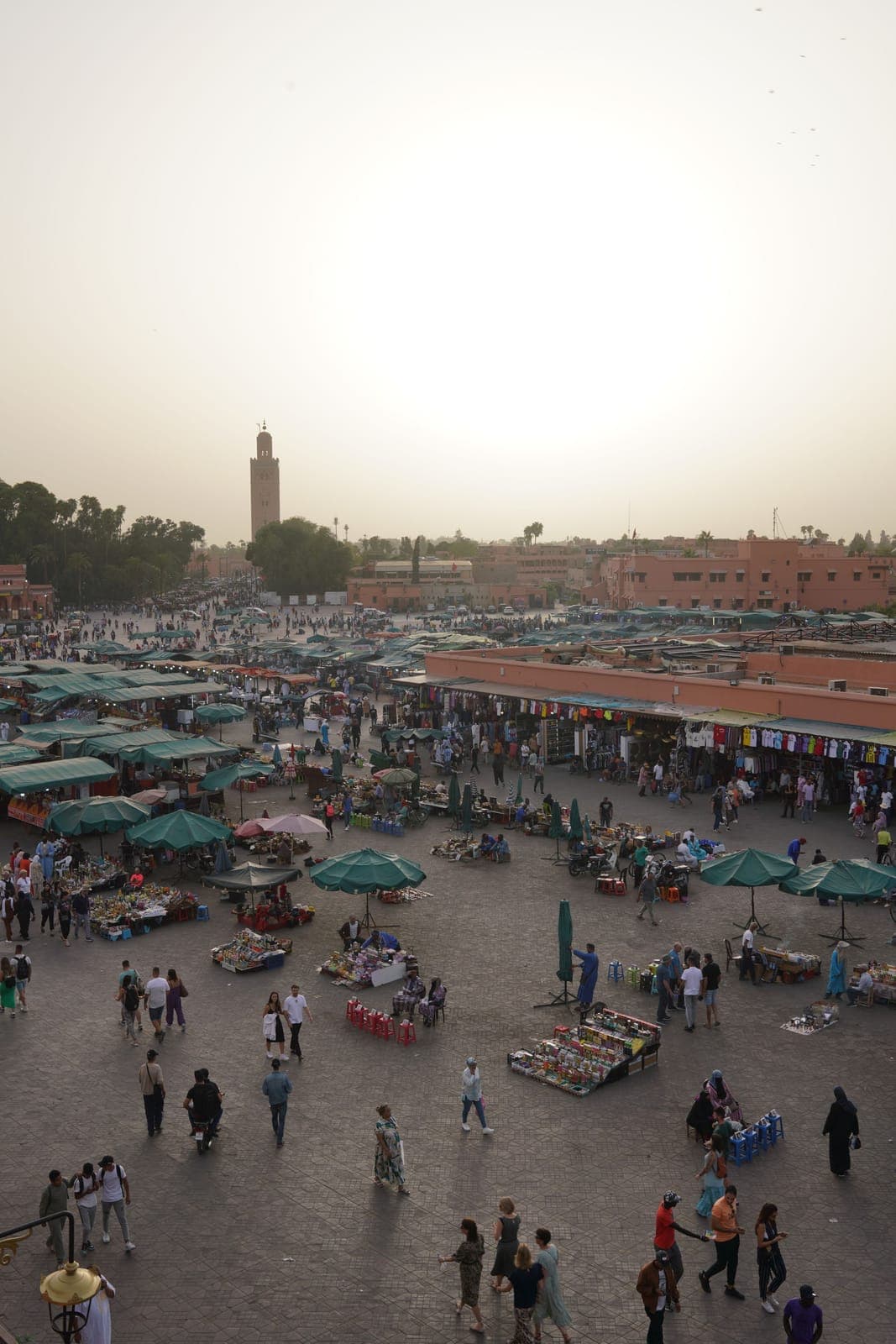
Marrakech Medina — Cultural Tour
- Djemaa El-Fna square at its most vibrant
- Leather tanneries viewed from a private rooftop
- Ben Youssef Madrasa — 16th-century Islamic college
€31 / person for 6+
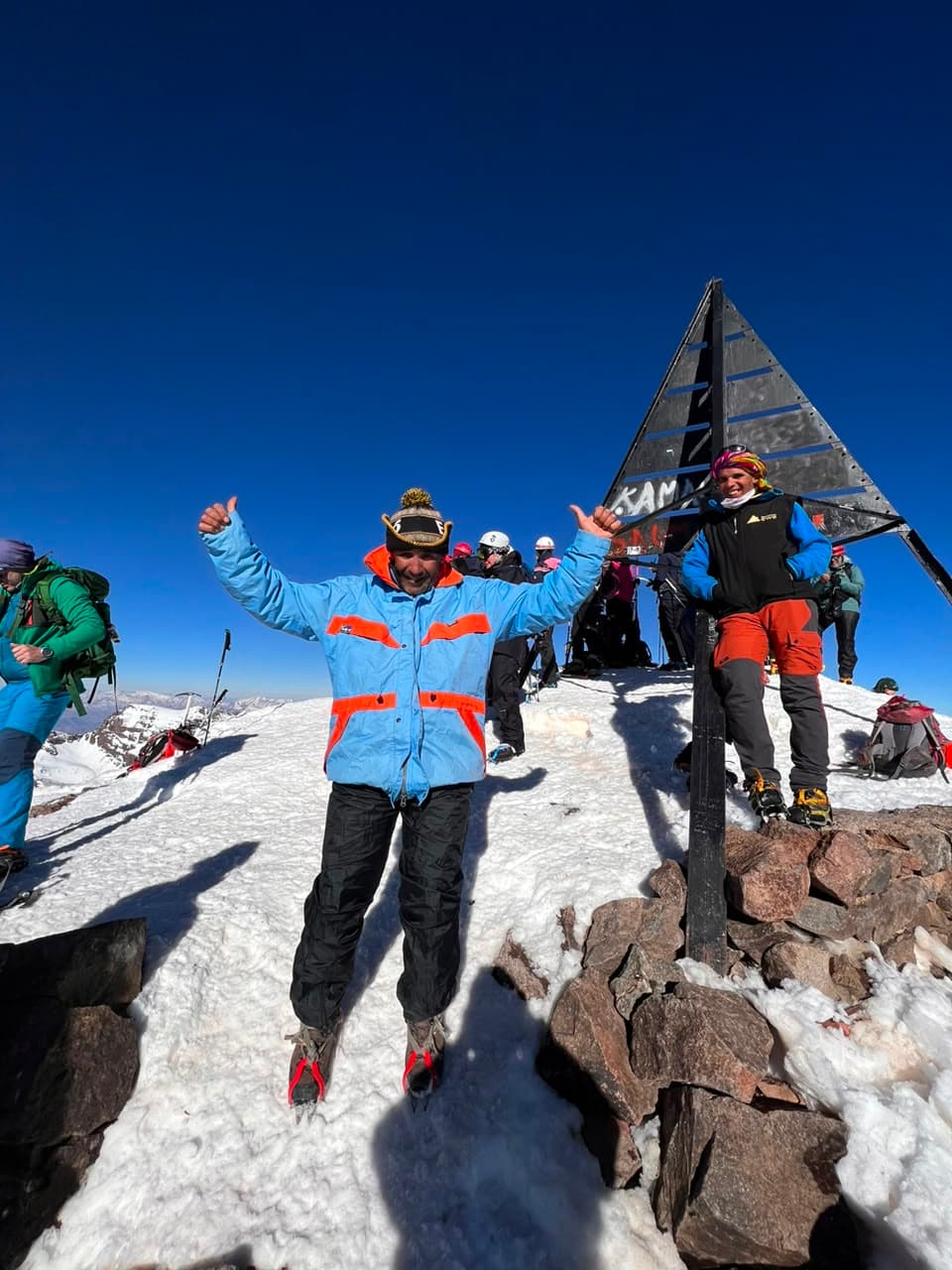
4-Day Toubkal Summit Trek from Marrakech
- Summit Jbel Toubkal at 4,167 m — highest peak in North Africa
- Sleep in traditional Berber mountain refuges at 3,207 m
- Start in the trailhead village of Imlil, deep in the Atlas
€260 / person for 6+
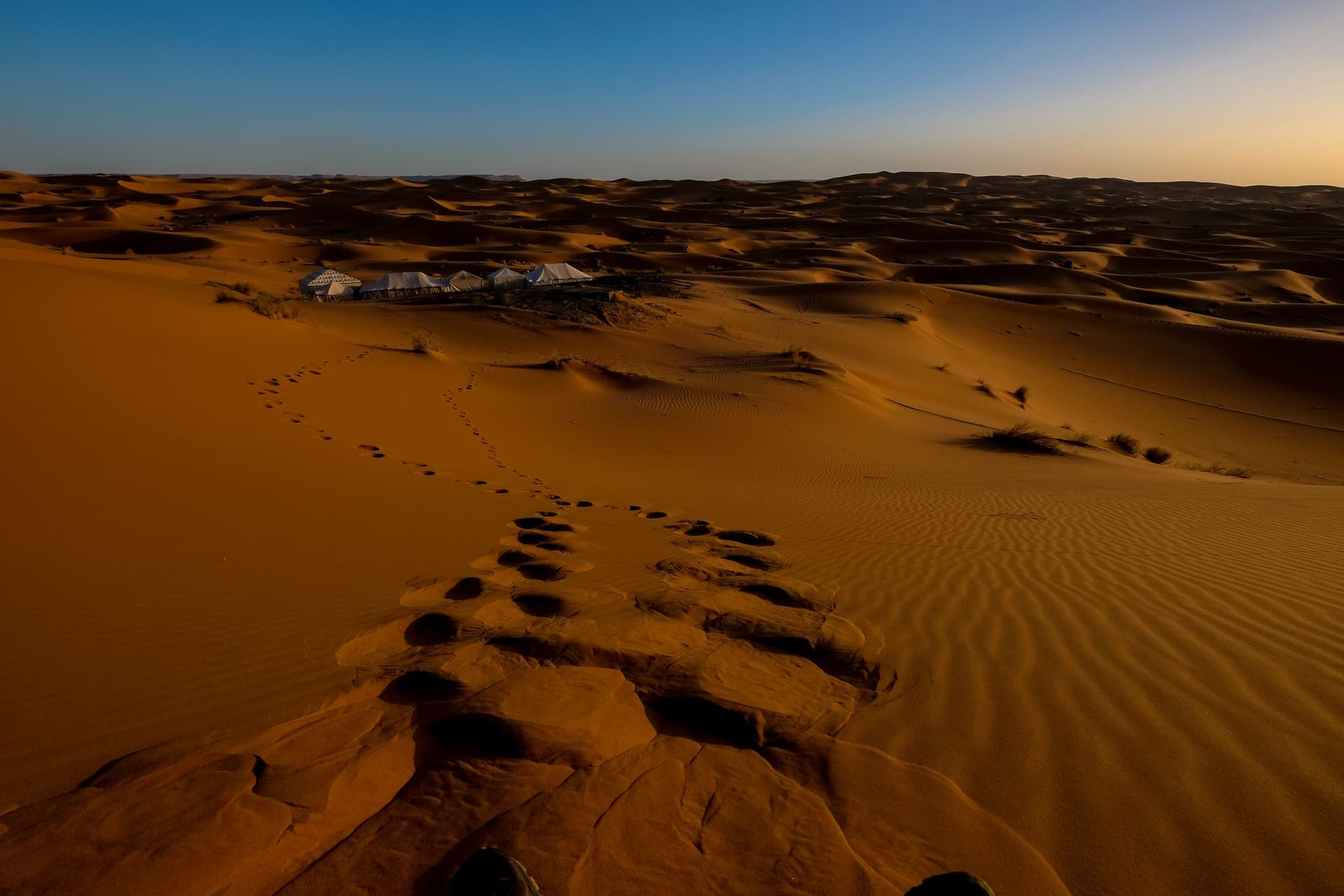
Marrakech to Merzouga — 3-Day Desert Tour
- Camel trek into Erg Chebbi dunes at sunset
- Overnight in a luxury Berber desert camp
- Stargazing with no light pollution at all
€230 / person for 6+