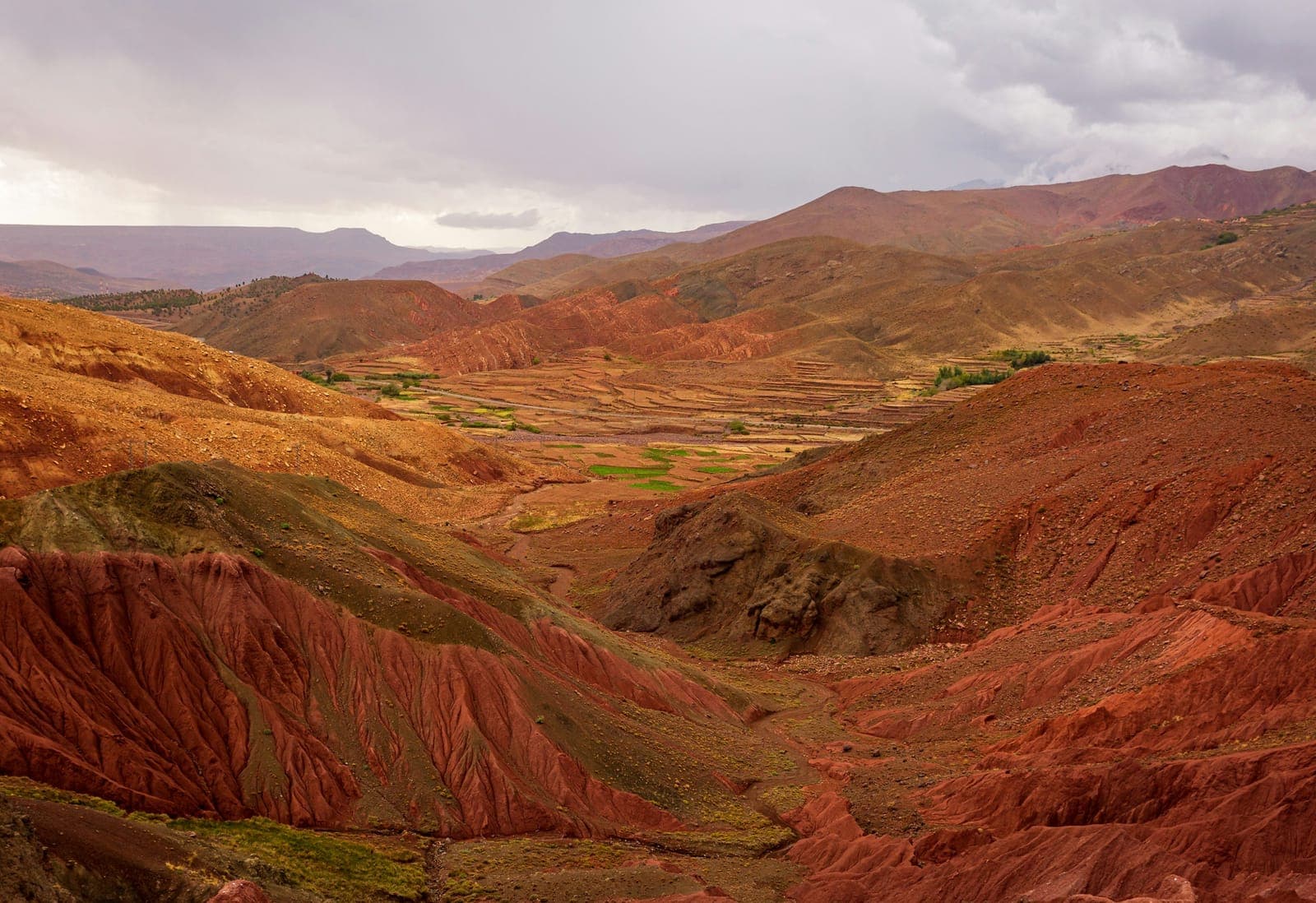
Just 60 km from Marrakech, the Ourika Valley is the closest genuine High Atlas scenery to the city. Berber villages, a working river, and a waterfall hike — all in a half or full day.
What Is the Ourika Valley?
The Ourika Valley (Vallée de l'Ourika) is a lush river valley carved into the foothills of the High Atlas, roughly 60 km south of Marrakech. The Ourika River rushes through a green corridor of terraced fields, walnut trees, and traditional Berber villages — a complete contrast to the red dust of Marrakech.
It is the most accessible introduction to the High Atlas from the city, making it the ideal day trip for travellers who want mountain scenery without the commitment of a multi-day trek. It is also, quietly, one of the reasons Marrakech can exist where it does — the Ourika and the other rivers draining this stretch of the Atlas have fed the city's water table and its historic khettara irrigation channels for centuries, in a region that would otherwise be desert-fringe. The valley you are driving through for the scenery is the same one that has kept the Palmeraie green.
Getting There
On a guided tour (recommended): Our Ourika Valley day hike from Marrakech includes pick-up from Marrakech at 9:00 am, a knowledgeable local guide, lunch with a Berber family, and return by 5:00 pm. The guide context transforms the visit — every terrace, herb, and building has a story.
By private taxi: A grand taxi from Marrakech to Setti Fatma (the end of the valley road) costs approximately 150–200 MAD per person return. Agree the price before departure.
By local bus: Minibuses run from Bab er-Rob in Marrakech to Setti Fatma. Cheap but slow and crowded.
What to See and Do
The Valley Drive
The road from Marrakech to Setti Fatma passes through some of the most fertile farmland in the Atlas foothills. Stop at the Berber market at Tnine de l'Ourika (held every Monday) if your visit coincides — one of the most genuine rural markets near Marrakech.
Berber Villages
The valley is dotted with traditional Berber (Amazigh) villages — flat-roofed, earth-coloured homes clinging to the hillsides above the valley floor. Our guides arrange visits to local families, with opportunities to see traditional crafts, taste fresh argan oil, and see how a mountain household functions.
Setti Fatma and the Waterfalls
At the valley's head, the village of Setti Fatma marks the start of a waterfall hike. A marked trail ascends the steep hillside above the village, crossing the river several times on stepping stones. The first and most accessible waterfall is reached in 30–40 minutes. Four more waterfalls are above, each requiring more scrambling than the last.
The route: Riverbed walk → first waterfall (30 min) → second waterfall (+20 min) → third waterfall (+25 min). Most day visitors go to the first or second and return. The upper waterfalls are for the energetic. Our Setti Fatma waterfall day trip walks the trail with a guide who knows which crossings are safe after rain.
The River
In spring (April–June), the Ourika River is swollen with snowmelt from the High Atlas and runs fast and clear. Children swim in the pools, and the flat rocks along the bank are perfect for a picnic. In summer the river drops and warms; in autumn it is low but crystal clear.
When to Go
April–June: The valley is at its greenest after winter rains. The river is full, waterfalls are at maximum flow, and the hills above are covered in wildflowers.
September–October: Cooler, less crowded than summer, beautiful light on the Atlas peaks.
July–August: Popular with Moroccan families escaping Marrakech heat. The valley floor gets busy at weekends but the waterfall trail is always walkable.
Avoid November–March after heavy rains — flash floods in the valley are a genuine risk, and this is not a theoretical warning. Setti Fatma sits in a narrow gorge that channels Atlas rainfall fast, and the village has been rebuilt more than once because of it: a severe flood in 1995 caused major damage, and flash flooding struck the valley again in August 2025, sweeping away riverside cafés and furnishings along the water's edge with little warning. Sudden, intense rain in the mountains upstream is the trigger, which is exactly why it can happen even on a clear day down in the valley itself. Check conditions before visiting after any recent heavy rain, not just in the depths of winter.
Practical Tips
- Wear proper footwear. The waterfall trail involves river crossings and wet rocks. Trail shoes or sturdy sandals with grip are minimum; hiking boots are better.
- Bring layers. The valley is 600 m above Marrakech and noticeably cooler, especially in the shade of the gorge.
- Lunch at a terrace restaurant. A dozen simple restaurants line the riverbank in Setti Fatma — tagine and fresh-squeezed juice, feet dangling over the water. Budget 60–80 MAD per person.
- Bargain at the market. The women selling handmade Berber textiles along the trail are persistent but the prices are fair for handmade goods. If you are not buying, a firm but polite "la, shukran" (no, thank you) is always respected.
If you are comparing it with the bigger falls, see
Frequently asked questions
What are the Setti Fatma waterfalls?
Can you swim in the Ourika Valley?
Do you visit Berber villages in the Ourika Valley?
Is the Ourika Valley hike difficult?
Trips that go here
Guided by the team who wrote this guide.
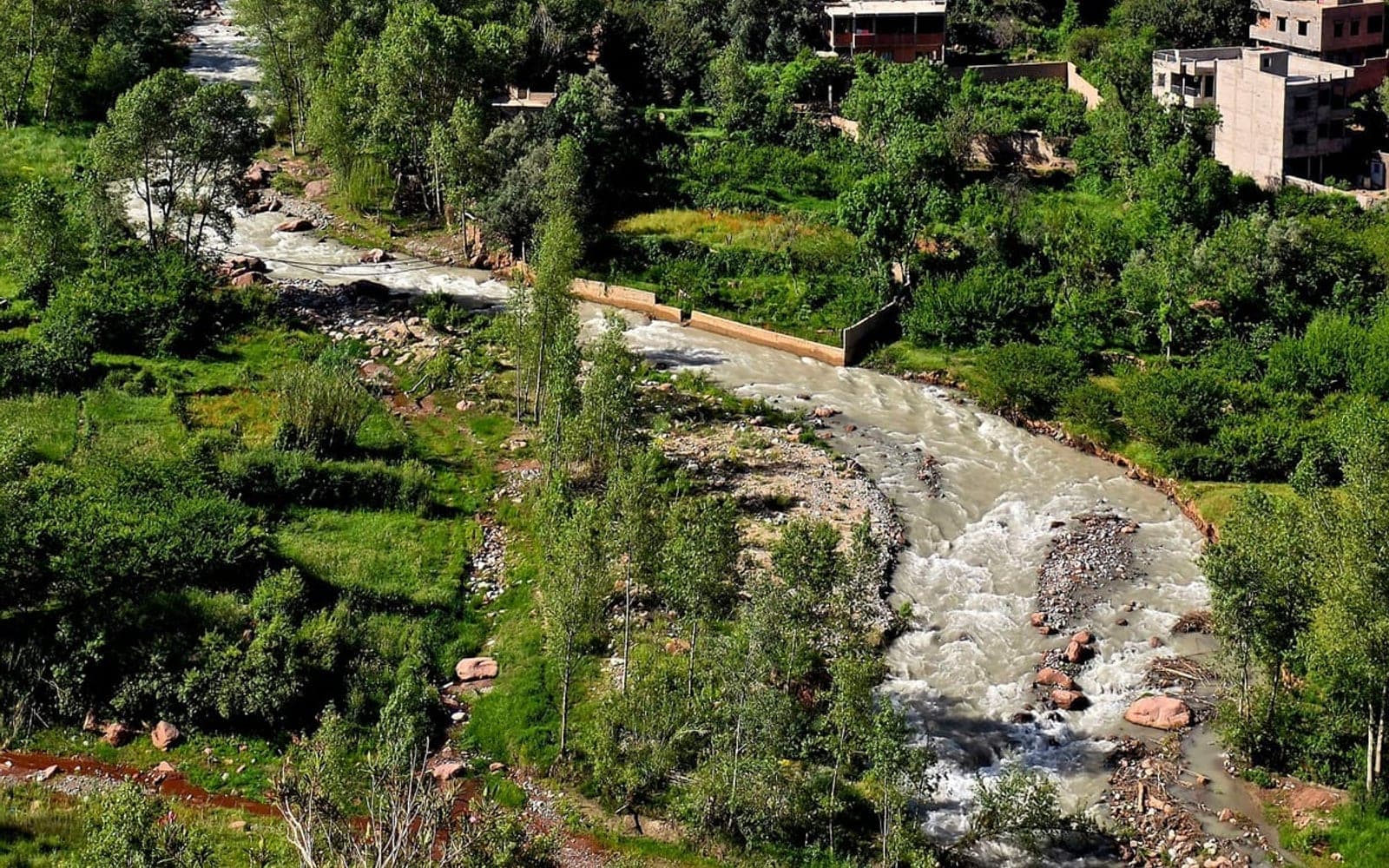
Marrakech to Ourika Valley — Day Hike
- Hike to the Setti Fatma waterfalls (7 cascades)
- Walk through Berber villages rarely visited by tourists
- Swim in natural mountain pools
€58 / person for 6+
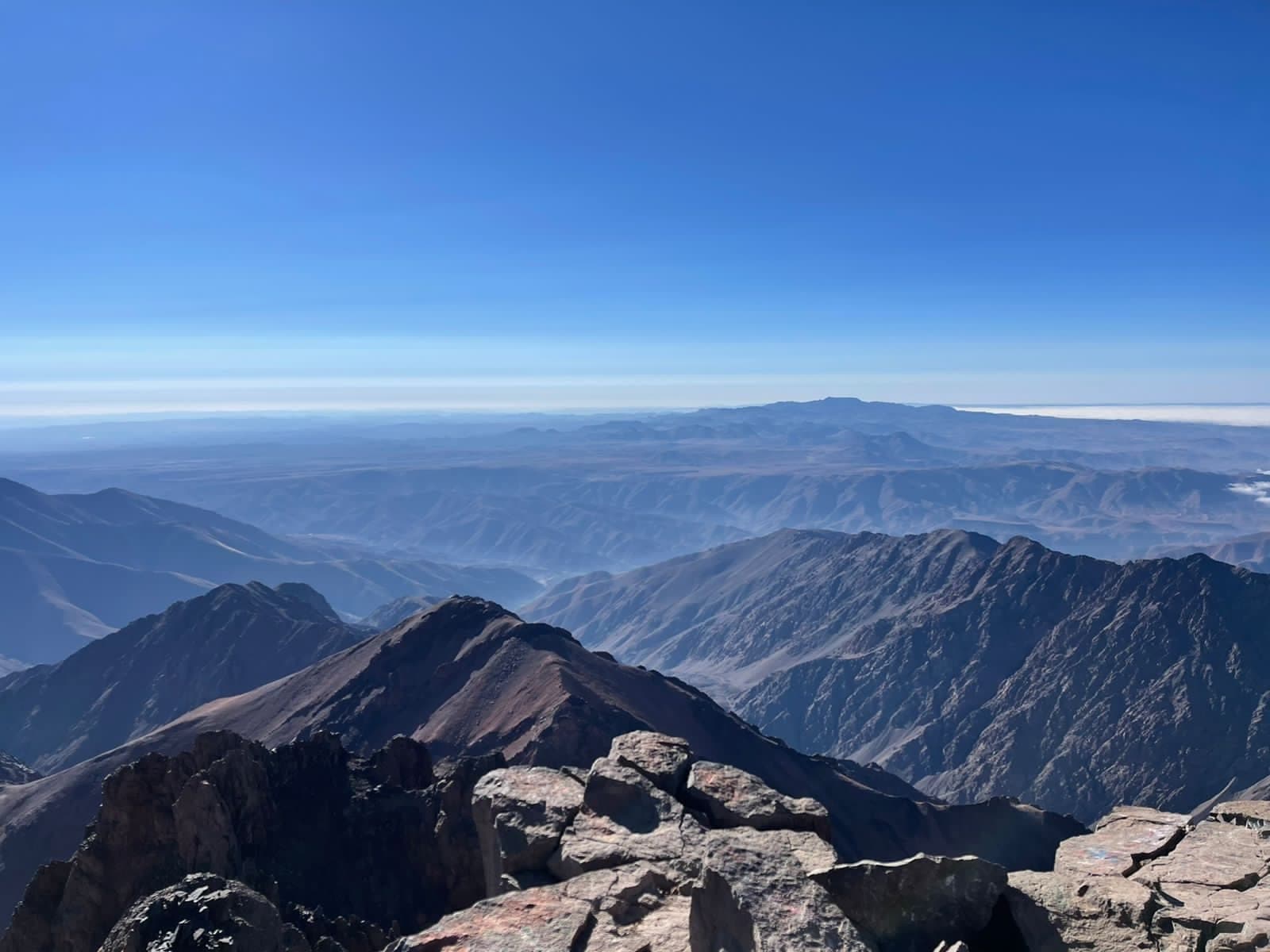
Mount Toubkal Express — 2-Day Summit from Marrakech
- Summit Jbel Toubkal (4,167 m) in just two days from Marrakech
- Overnight in the Toubkal Refuge at 3,207 m
- Pass the Sidi Chamharouch shrine and its waterfall
€153 / person for 6+