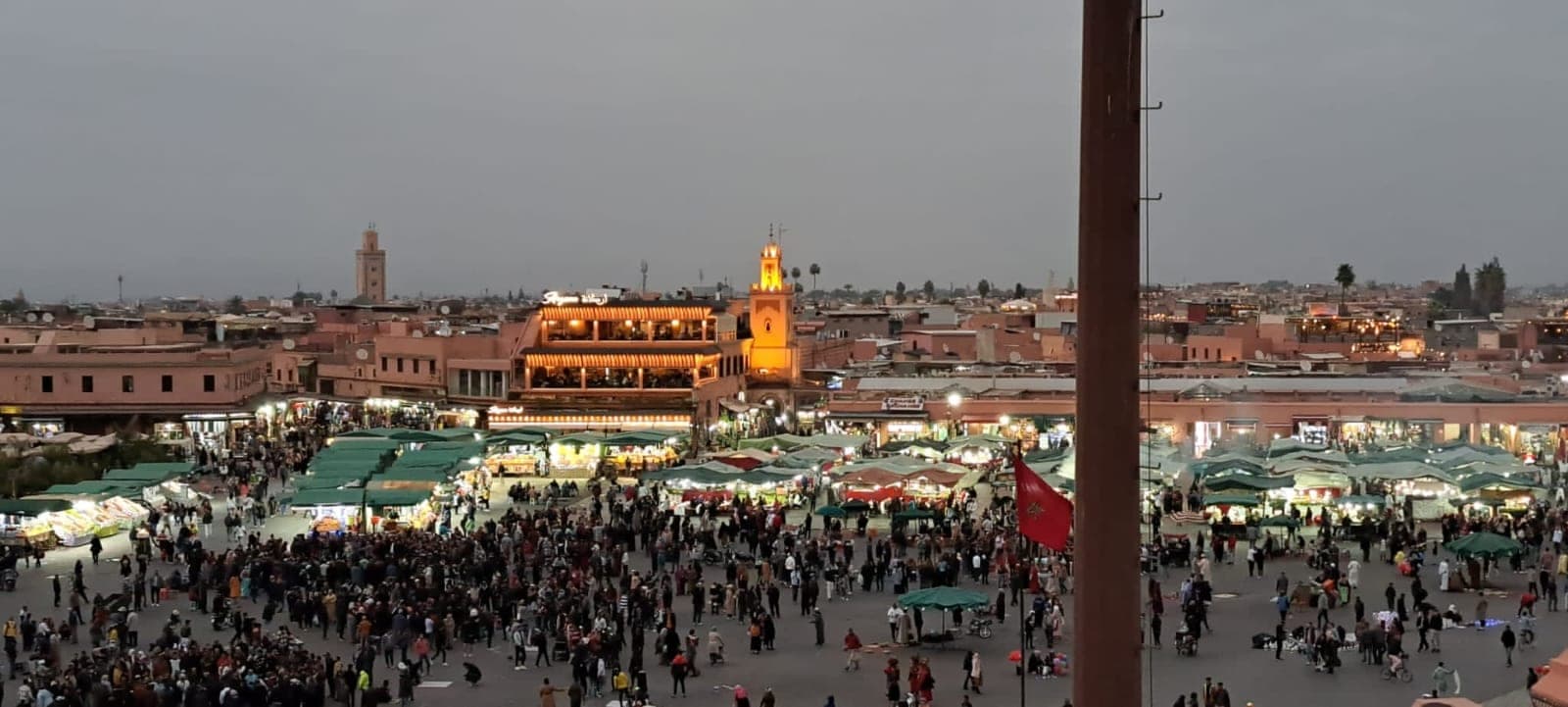
Gnaoua on the Atlantic, the rose harvest in the Dades, a High Atlas betrothal fair, and Ramadan. Which dates are fixed, which move, and how far ahead to book.
Morocco does not have one festival season. It has a religious calendar that
drifts by eleven days a year, a farming calendar tied to what is ripening, and
a handful of fixed-date events that behave like anything in Europe. Planning a
trip around any of them means knowing which kind you are dealing with.
The short version
| Festival | Roughly when | How fixed is it? |
|---|---|---|
| Marrakech Marathon | Late January | Confirmed far ahead |
| Almond blossom, Anti-Atlas | February–March | A season, not a date |
| Ramadan and Eid al-Fitr | Moves ~11 days earlier each year | Moon sighting |
| Rose Festival, Kelaat M'Gouna | First half of May | Follows the harvest |
| Gnaoua, Essaouira | Late June | Announced a few months ahead |
| Imilchil moussem | September | Set locally, often weeks ahead |
January — the marathon, and the clearest air of the year
The Marrakech International Marathon
is the one genuinely fixed date on this list: the 37th edition runs on
Sunday 31 January 2027, announced well in advance on the organisers' own
site. A full and half marathon through the old city walls, the Palmeraie and
the avenues of Gueliz, with around 15,000 runners.
January is also, unexpectedly, one of the best months to be here. The air is
clear, the Atlas is under snow, and the desert days are pleasant even as the
nights turn very cold. A race weekend pairs naturally with a couple of days in
the mountains either side.
February and March — blossom, and usually Ramadan
Between the winter rains and the spring heat, the almond terraces of the
Anti-Atlas around Tafraoute flower white and pink against pink granite. It is
a season rather than a date: lower
valleys turn first, higher villages up to three weeks later, and the timing
shifts with the winter rainfall.
Ramadan currently falls across this window and moves earlier each year. It
is worth understanding rather than avoiding — see
visiting Morocco during Ramadan
for what actually changes day to day. The short answer: quiet days, and cities
that come alive after sunset.
May — the rose harvest
The valley floor between Kelaat M'Gouna and Boumalne Dades grows damask roses
for rose water and oil. When the harvest peaks, the town holds a moussem:
floats, Ait Atta dancing, a rose queen, and souks selling the season's
distillate.
What makes this one practical is geography. Kelaat M'Gouna sits **directly on
the Marrakech-to-Sahara road**, so a [three-day desert
tour](/en/tours/shared-merzouga-3day-marrakech) timed for early May passes
through the harvest without any detour. You are driving that road anyway.
The catch: the organisers confirm dates only a few weeks ahead, because the
flowers decide. Treat the first half of May as the window. See the
Rose Festival page for the current
state of the dates.
June — Gnaoua in Essaouira
Three days of Gnaoua trance music on the Atlantic, in a walled town that
empties of cars and fills with drums. Maalems — Gnaoua master musicians —
play open stages across the city alongside jazz and world-music guests who
improvise with them. It is free, it is outdoors, and the medina stays awake
until dawn.
The practical problem is beds. Accommodation in Essaouira is reported to sell
out nine to twelve months ahead for the festival, and prices trip. This is
why a day trip from Marrakech is often
the more realistic way to see it: three hours each way, and you sleep in a city
that still has rooms.
September — the Imilchil moussem
Held on a plateau at around 2,200 m in the High Atlas, this is first a
livestock and goods fair for the surrounding Ait Haddidou villages, and second
the betrothal gathering it is famous for internationally.
It is remote. The approach is a long mountain drive, and it is a working
community event rather than a performance — which is exactly the reason to go.
The dates are set by the community and tied to the late-summer herding
calendar, announced locally and often only weeks ahead. It pairs with
High Atlas village trekking, since you
are already deep in those mountains.
The one thing to understand about dates
Anyone who prints a precise date for a Moroccan harvest festival or a moussem
eighteen months out is guessing. We publish what the organisers have actually
confirmed and clearly mark what is still a window — you can see the current
state of all of them on our upcoming events page.
If you are building a trip around one of these, tell us which and we will say
plainly how confident the date is before you book anything.
Frequently asked questions
What is the biggest festival in Morocco?
Do Moroccan festival dates change every year?
When is the Rose Festival in Morocco?
Can you travel in Morocco during Ramadan?
How far ahead should I book around a festival?
Trips that go here
Guided by the team who wrote this guide.
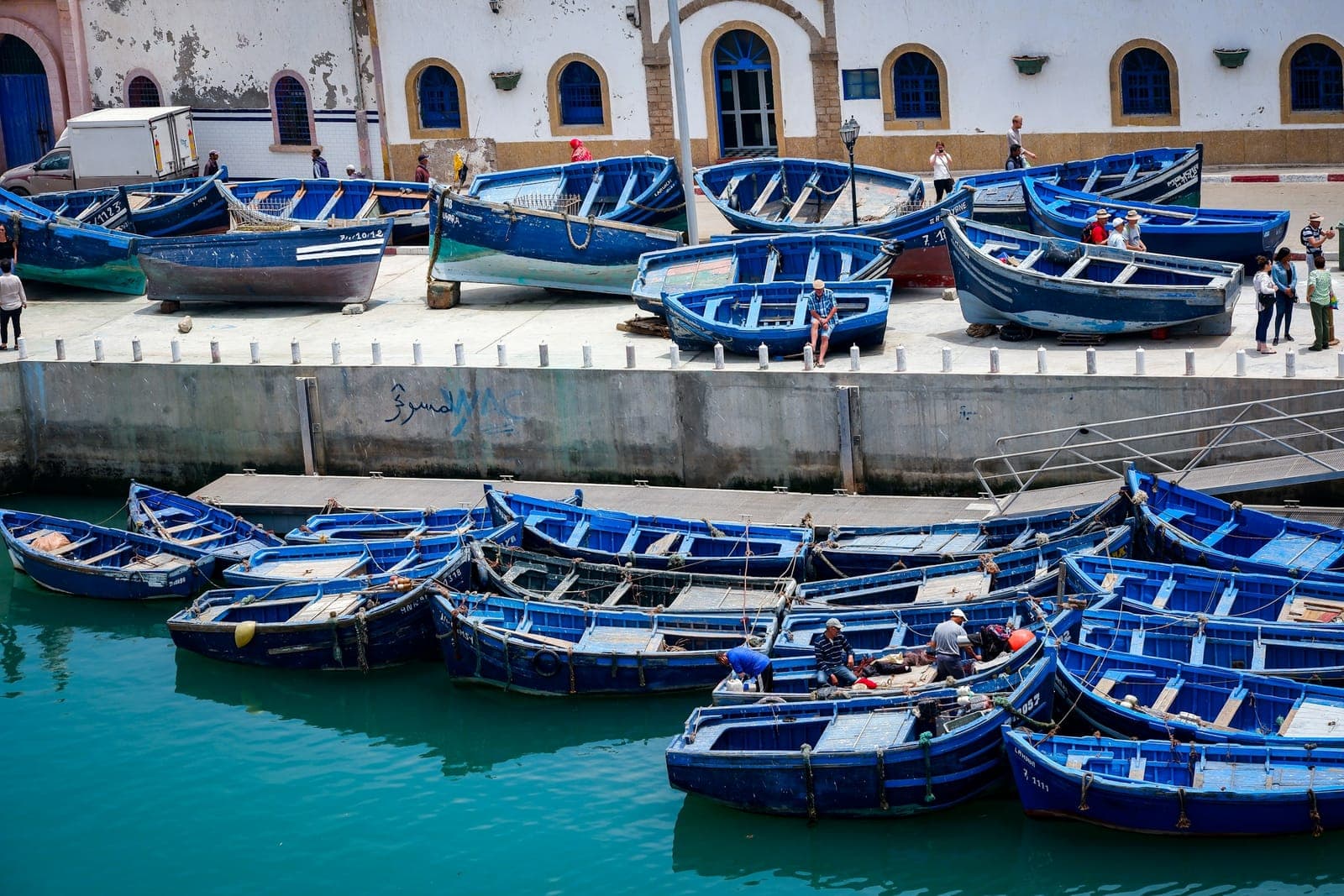
Essaouira — Shared Day Trip from Marrakech
- UNESCO-listed medina and 18th-century ramparts
- The blue fishing fleet in the working harbour
- Argan oil cooperative on the Marrakech road
€30 / person
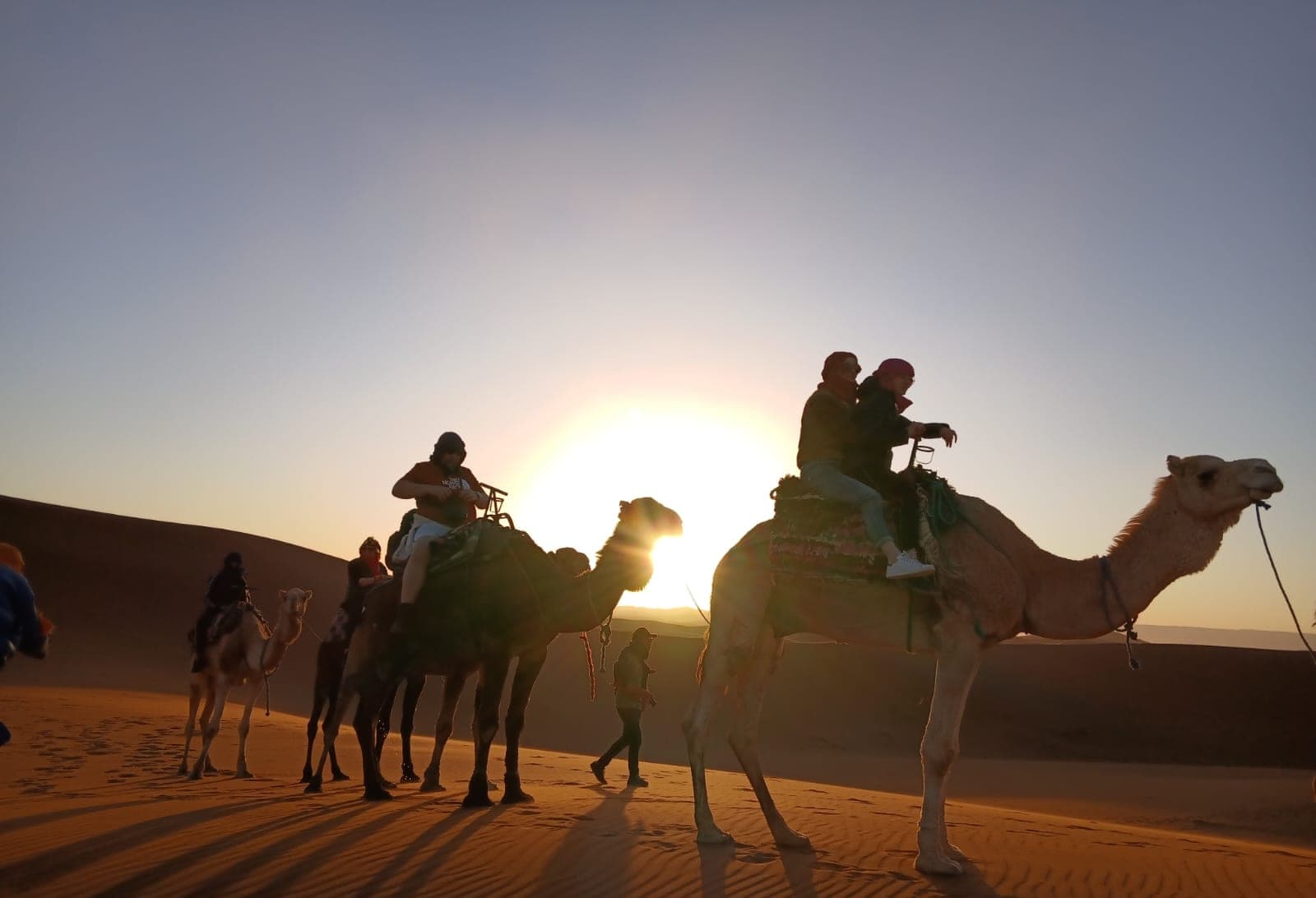
Merzouga Desert from Marrakech — 3-Day Shared Tour
- Tizi n'Tichka pass through the High Atlas
- UNESCO Ksar of Aït Ben Haddou
- Dades and Todra gorges
€120 / person
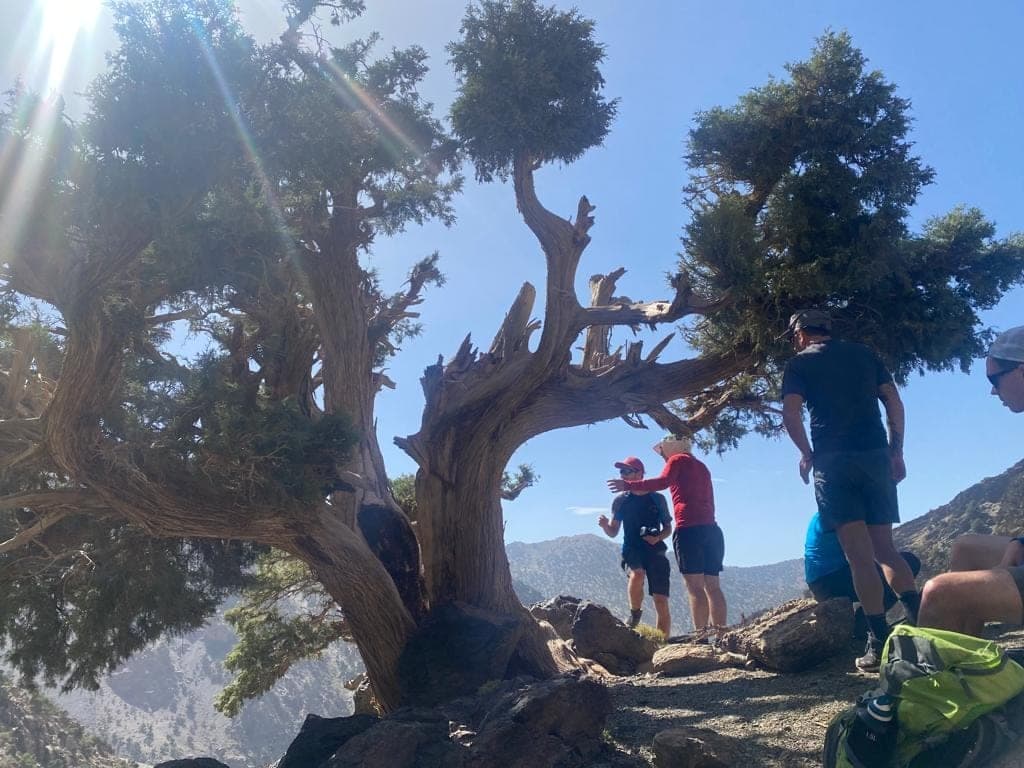
High Atlas Villages from Marrakech — 3-Day Trek
- Link three Atlas valleys — Imlil, Azzaden and the Ourika watershed
- Cross several Berber passes with High Atlas panoramas
- Two nights in different village guesthouses, hosted by local families
€169 / person for 6+
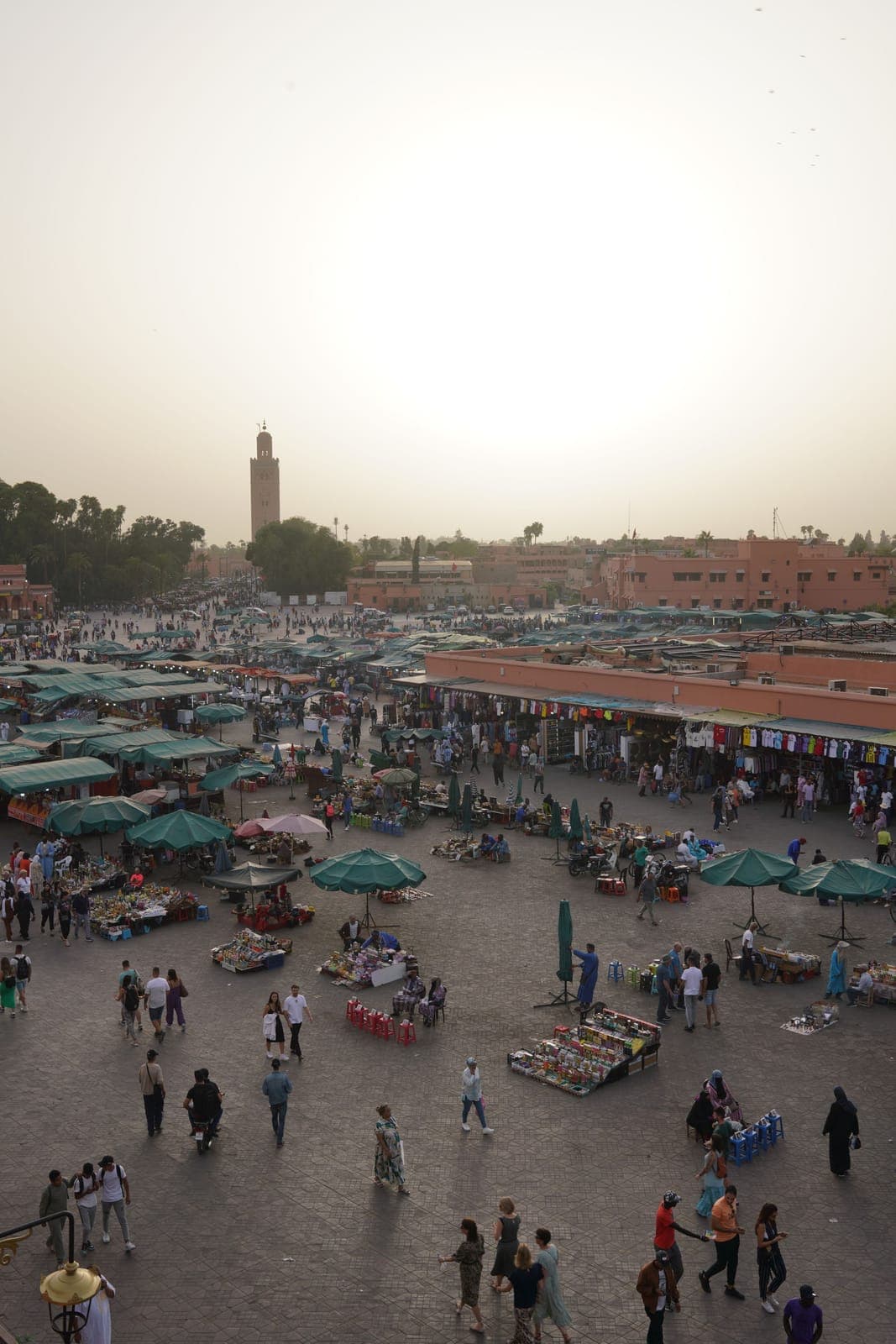
Marrakech Medina — Cultural Tour
- Djemaa El-Fna square at its most vibrant
- Leather tanneries viewed from a private rooftop
- Ben Youssef Madrasa — 16th-century Islamic college
€31 / person for 6+