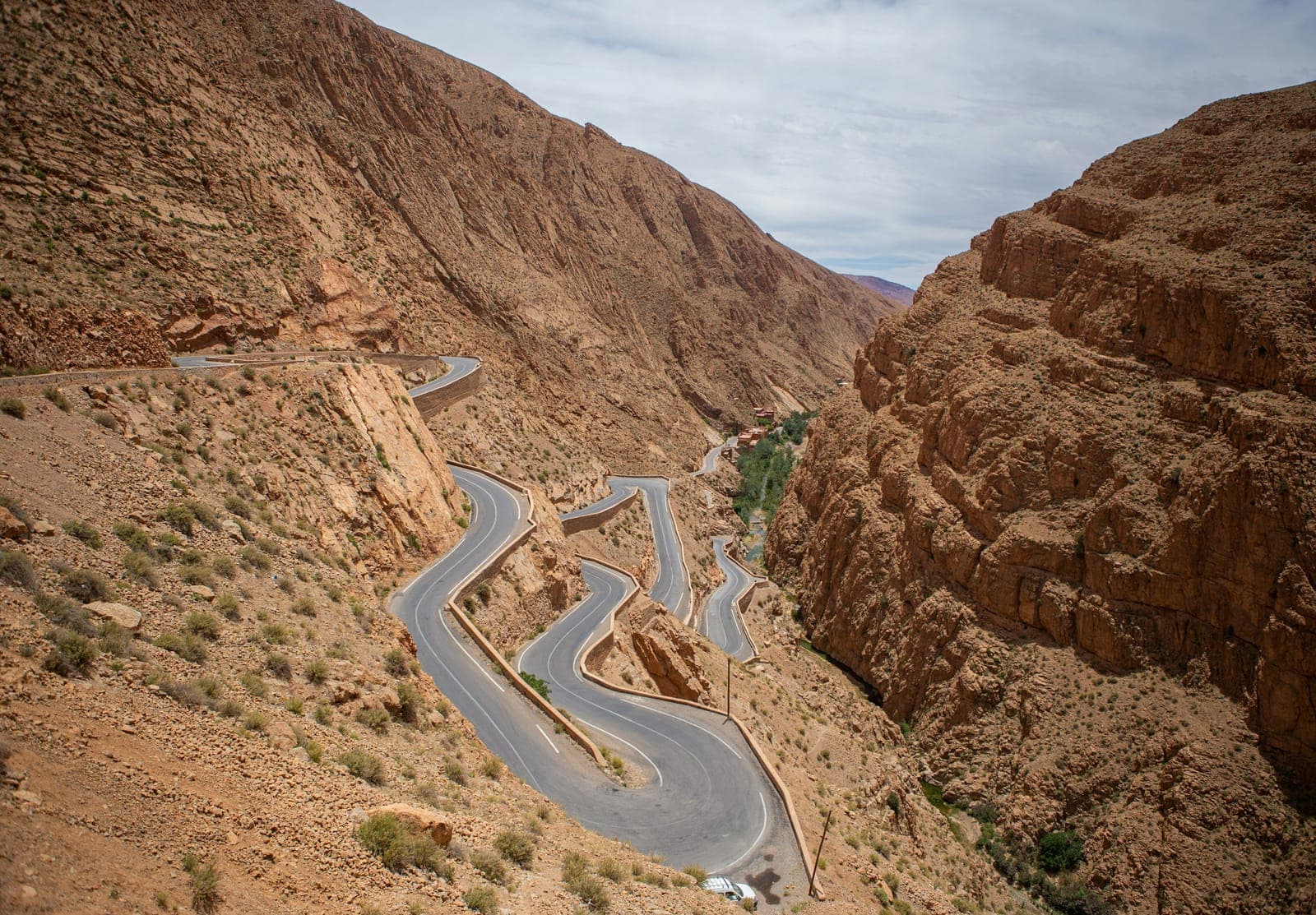
Switchback roads, rose-red rock formations, and kasbahs built into the cliffs. Dades Valley is the most visually dramatic stretch of the drive to the Sahara.
The Road of a Thousand Kasbahs
The N10 road east from Ouarzazate follows the Dades and M'Goun rivers through a valley lined with kasbahs — fortified earthen buildings, many centuries old, built from the same red clay as the cliffs behind them. The stretch has an informal name, the Route of a Thousand Kasbahs, and while nobody has literally counted them, the density is real: for long sections of the drive, there is rarely a moment without one in view.
These weren't built for the view. Before the French protectorate imposed central authority in the early 20th century, this valley sat on a branch of the trans-Saharan trade routes, and local Berber clans — among them the Aït Atta, Aït Sedrate, and Aït Hdiddou — controlled and taxed caravans carrying gold, salt, and goods between the Sahara and the Mediterranean coast. A kasbah was a fortified family compound — thick walls, few windows, a single defensible entrance, often doubling as a storehouse for the trade goods passing through — built by whichever clan controlled the water and the land around it. The valley's density of kasbahs reflects a landscape that was, for centuries, contested and worth defending.
Most are still standing because the region's dry climate is kind to mudbrick (pisé) construction, which crumbles fast in rain but can last centuries in the near-absence of it. Some are inhabited, some are crumbling into the hillside they were built from, and a handful — the Kasbah of Aït Youl among the best-known — have been restored, either as private homes or small guesthouses that let you sleep inside a genuine 18th or 19th-century fortress rather than just photograph one from the road.
Kelaat M'Gouna and the Rose Valley
About halfway along the route sits Kelaat M'Gouna, the center of a side valley known locally as the Vallée des Roses. According to local tradition, the Damask roses that now cover the hillsides were first brought back centuries ago by pilgrims returning from Mecca, planted as hedgerows around the kasbahs and irrigation channels. They took to the climate and never left.
The rose harvest runs for a few weeks each May, when the whole valley smells like it — pickers working at dawn before the heat wilts the petals, trucks hauling sacks of roses to the local cooperative distilleries that turn them into rose water and oil, most of which is exported for the perfume industry in Grasse, France. Kelaat M'Gouna hosts a Rose Festival at the end of the harvest, a genuinely local event (folk music, a parade, a crowned "Miss Rose") that most tour itineraries don't reach, since the timing is narrow and the town is a stop, not a destination, on the standard desert route.
Dades Gorge
Past the town of Boumalne Dades, the valley narrows into Dades Gorge, where the road switches back sharply up rose-coloured rock formations locally nicknamed the "monkey fingers" for their eroded, knuckled shape. This section is the most photographed part of the route, and for good reason — the light on the rock in late afternoon is genuinely striking, the switchbacks are dramatic enough to be a destination photo in their own right, and the gorge walls close in enough that the scale only really registers once you're driving through them.
A full detour up the gorge and back adds a few hours and is not part of a standard desert-tour itinerary; most tours see the lower valley and kasbahs from the main road without the full gorge diversion. If you have your own vehicle and the time, the drive up to the switchback viewpoint and back is a worthwhile half-day add-on to a Ouarzazate stopover — just budget the extra hours and know that the road surface degrades the further up you go.
What Makes It Different From Todra
Dades and Todra sit close together on the same road east from Ouarzazate and get mentioned in the same breath constantly, but they are genuinely different landscapes, not two versions of the same thing.
Dades is wide and gradual — a valley of switchbacks, kasbahs, and irrigated palm groves that unfolds slowly over tens of kilometres. Todra is the opposite: a narrow limestone canyon that appears almost without warning, with 300-metre sheer walls close enough in places to touch both sides with your arms out. Dades rewards a slow drive with the windows down. Todra rewards getting out of the vehicle and walking into it. See our full Todra Gorge guide for what that actually involves.
If you only have time for one on a tight itinerary, Dades is the better fit for travellers who want kasbah architecture and valley scenery; Todra is the better fit for travellers who want a single dramatic geological set-piece.
Practical Notes
Best light: Late afternoon, when the sun is low enough to turn the rock genuinely rose-red rather than the flatter, hazier light of midday.
Road conditions: The main N10 is paved and well-maintained. The gorge road above Boumalne Dades narrows and roughens the further you go — fine in a standard car in dry conditions, best avoided after heavy rain.
Where people stay: A handful of kasbah guesthouses along the route offer overnight stays, which is the way to actually experience the architecture rather than just drive past it. Most standard desert-tour itineraries pass through without stopping overnight here, continuing on to Merzouga or Zagora the same day.
Which Tours Pass Through
Dades Valley is part of the route on our 3-day Erg Chegaga expedition, the 4-day Desert Grand Tour, and the 3-day Merzouga tour from Agadir. For the shorter 2-day options that don't reach this far, see Agafay vs Merzouga vs Zagora.
Common Questions
Is Dades Valley the same as the Draa Valley? No, though both are palm-and-kasbah valleys in the south and get confused by first-time visitors reading trip reports. The Draa Valley runs south from Ouarzazate towards Zagora and M'Hamid, following a different river on a different road. Dades runs east from Ouarzazate towards Tinghir and Merzouga. Some longer itineraries pass through both on different days.
Can you visit Dades Valley without a full desert tour? Yes. A day trip or overnight from Ouarzazate covering the kasbah route and the lower gorge is entirely doable independently, by rental car or grand taxi. What you lose without a guide is the context — knowing which kasbahs are worth stopping at, which are private homes rather than photo opportunities, and the history behind what you're driving past.
Why do people call it the "Road of a Thousand Kasbahs" instead of naming an exact number? Because nobody has ever done a formal count, and the number keeps changing anyway — some kasbahs are actively crumbling back into the hillside they were built from, while others get restored as guesthouses. It's a description of density, not a literal figure, and the same phrase gets used for the wider region stretching from Ouarzazate through Skoura, Dades, and towards Todra.
Is the rose harvest worth timing a trip around? If a light, working-agricultural side of Morocco genuinely interests you, yes — May in Kelaat M'Gouna is unlike the rest of the year. If you're mainly here for the desert and the kasbah architecture, the valley is worth seeing regardless of season; the roses are a bonus, not the main event.
Trips that go here
Guided by the team who wrote this guide.
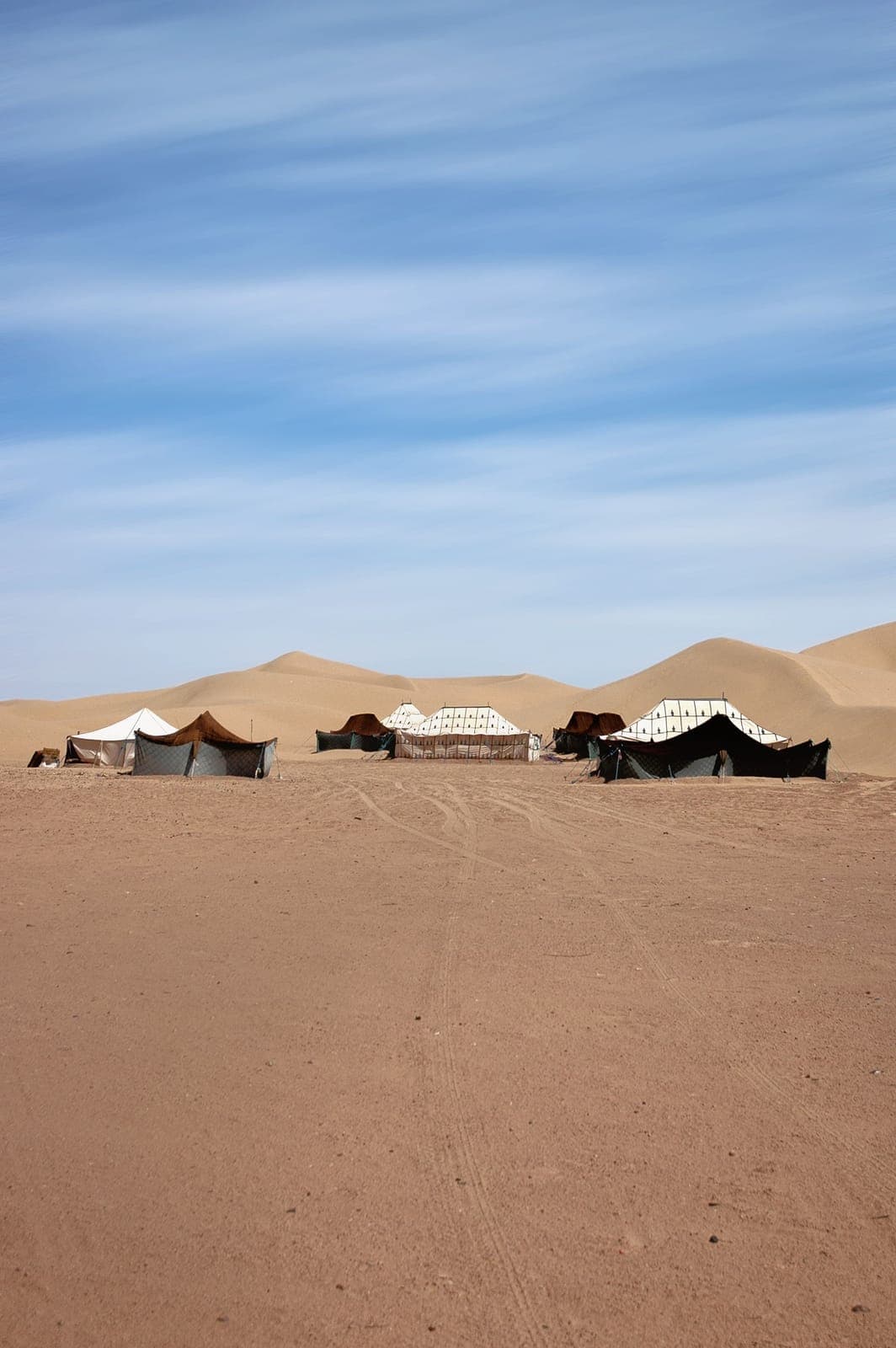
Erg Chegaga from Marrakech — 3-Day Remote Desert Expedition
- Erg Chegaga — fewer tourists, 120 m dunes, profound silence
- 4x4 off-road desert crossing from M'Hamid into the dune field
- A night in a desert camp with no other camps in sight
€281 / person for 5+
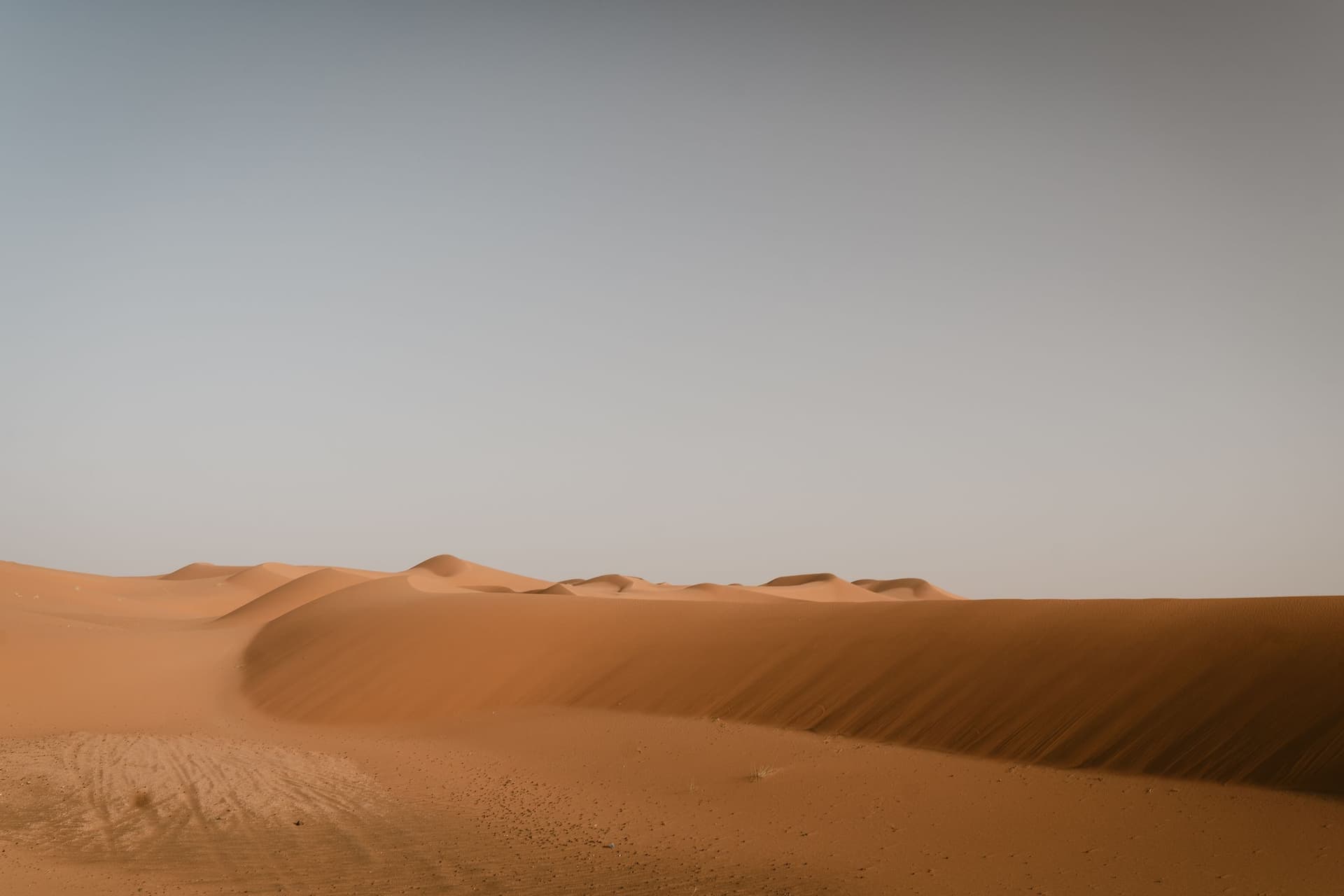
Marrakech Desert Grand Tour — 4 Days
- Full night at an Erg Chebbi desert camp — sunset and sunrise camel treks
- Todra Gorge — Morocco's most dramatic canyon (400 m walls, 4 km walk)
- UNESCO Ksar of Aït Ben Haddou — Gladiator and Game of Thrones location
€236 / person for 6+
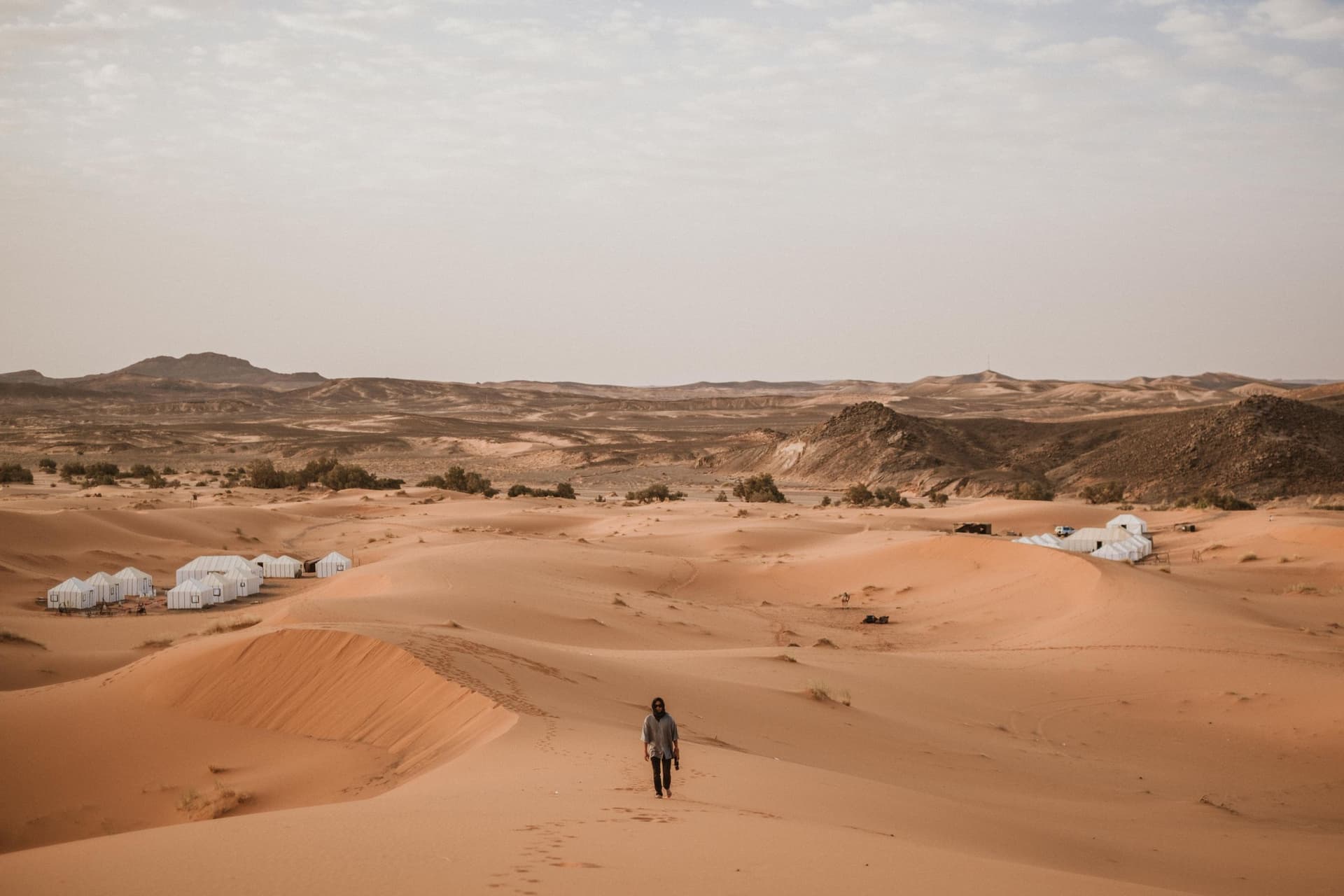
Agadir to Merzouga — 3-Day Sahara Desert Tour
- Erg Chebbi — camel trek at sunset into 160 m dunes
- Overnight in a Berber desert camp under the stars
- Taroudant — Morocco's finest medieval walled city
€170 / person for 6+