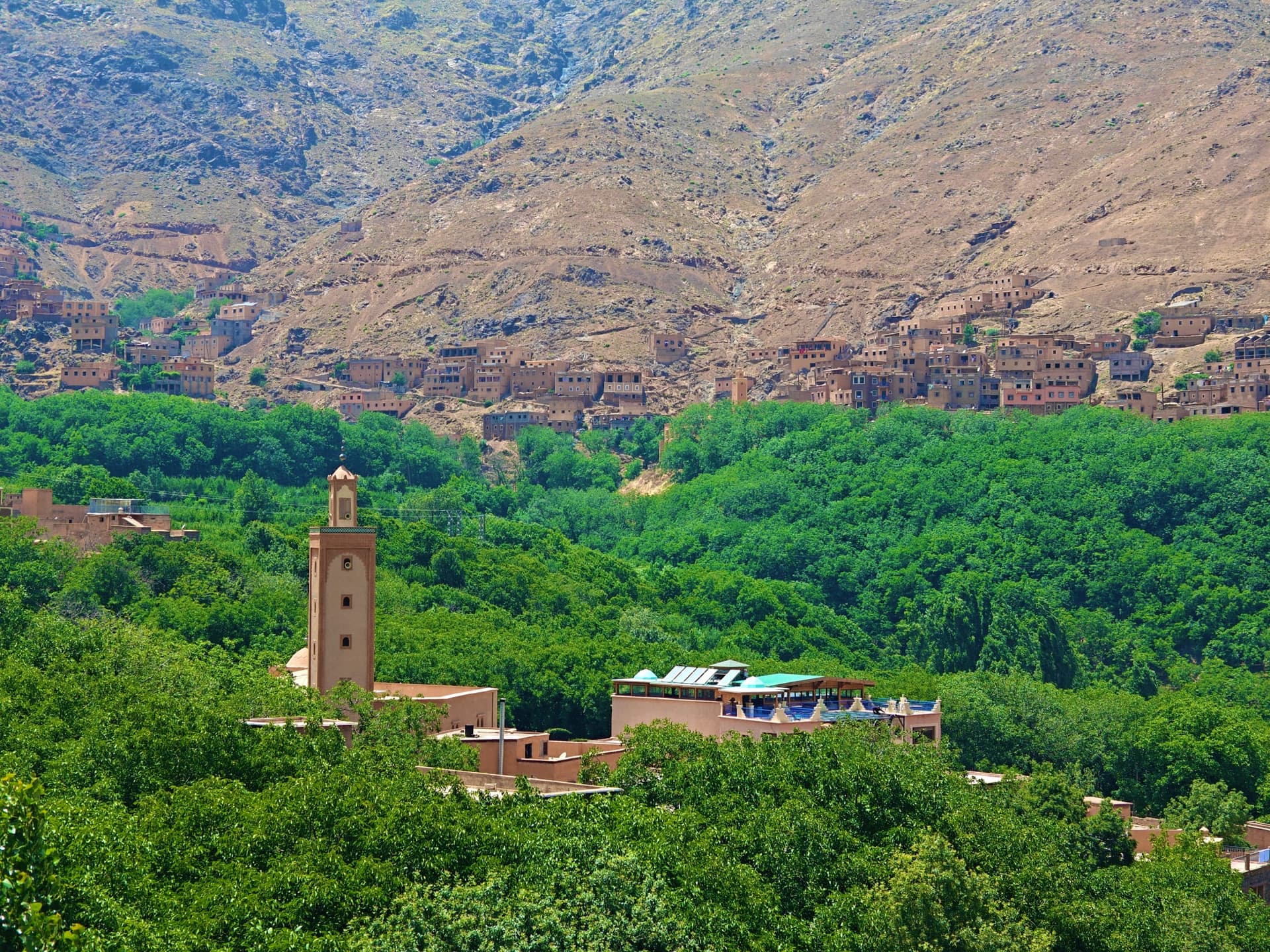
Our guides have led thousands of trekkers through the High Atlas. This is the gear list they actually use — not the one that sells you expensive things you don't need.
The Short Version
You have been looking at gear lists online. Some of them list 60 items. Our guides have watched a lot of people arrive with too much weight and the wrong things. Here is the shorter truth.
The High Atlas is not the Himalayas. Toubkal (4,167 m) is a serious mountain but it is not a technical climb. You do not need specialist mountaineering equipment for summer and autumn treks. You need: good boots, warm layers, waterproofs, sun protection, and enough water capacity for a long day.
Everything else is logistics.
Footwear — The Non-Negotiable
Trail boots (mid or high): The single most important item. The terrain is rocky, uneven, and unforgiving to flat-soled shoes. You need ankle support, a proper sole with grip, and boots that have been broken in before the trek. New boots on the first day of a multi-day trek is one of the most reliable ways to make yourself miserable.
What works: Merrell, Salomon, Scarpa, La Sportiva trail boots in the €100–€200 range. Waterproofing is useful but not essential in summer.
What doesn't: Running shoes, approach shoes, fashion hiking boots that look the part but have no sole. Canvas shoes or trainers on Toubkal above the refuge will cause problems.
Socks: Wool or synthetic hiking socks, minimum two pairs. Cotton kills feet on long days.
Clothing — Layer, Don't Bulk
The key principle in the High Atlas is that temperatures change dramatically between valley floor and summit, and between morning and afternoon. You are managing a range from 30°C in the valley to -5°C or below at the summit (even in summer). Layering lets you respond to this.
Base layer (x2): Synthetic or merino wool, not cotton. This is not a style preference, and the reason is worth knowing because it explains half the other advice in this list. Cotton fibres absorb water into the fibre itself rather than moving it away from your skin, and can hold many times their own weight in it — so once you sweat into a cotton shirt on the ascent, it stays wet against your body for the rest of the day. Wet fabric next to skin conducts heat away far faster than dry air does, which is exactly the wrong thing to happen right as you reach a cold, windy summit. Synthetic and wool fibres, by contrast, don't absorb water the same way — moisture moves along the surface and evaporates instead of soaking in, so the fabric dries fast and keeps working as insulation even when damp. Two tops lets you wash one and wear one.
Mid layer: A fleece or lightweight down jacket. This is what you put on at the summit and at the refuge in the evening. Temperatures drop fast above 3,500 m.
Outer layer: A waterproof shell. Afternoon thunderstorms are common in the Atlas in summer. This is not heavy rain — usually 20–40 minutes — but you want to be dry during it.
Trousers: Lightweight hiking trousers that dry fast. Jeans are not appropriate — they take forever to dry and are heavy when wet.
Sun hat: Required. Above 3,000 m, the UV index is significant. A hat with a brim protects your neck on the long exposed ridges above the refuge.
Gloves and hat: Even in summer, bring them for the summit push. At 4,000 m+ at 5:30 am, you will be cold for the first two hours regardless of the forecast.
Backpack
Day pack (20–30L): For the summit day. Light is fast. Don't bring more than you'll actually use during the day — your main luggage stays at the gite or refuge.
Hydration: A 2L water bladder or two 1L bottles. There are sources on the route but running low on water at altitude is a serious problem. Don't rely on finding water.
Snacks and lunch: Nuts, dried fruit, energy bars, dates. The Refuge du Toubkal serves meals but you want something accessible in your pack during the ascent.
Sun and Altitude
Sunscreen: SPF 50, and more of it than you think. Altitude intensifies UV. Reapply every two hours.
Sunglasses: Polarised, with UV400 protection. Not optional above 3,500 m. Glare off rock and (in winter/spring) snow is brutal.
Lip balm with SPF: Your lips will crack at altitude without it.
Headlamp: Essential for early summit starts. Bring spare batteries.
What Not to Bring
Trekking poles: Optional for most trekkers. Useful on the descent from Toubkal if your knees feel it. Not essential.
Sleeping bag: We provide blankets at the refuge and at Gite Panorama. You don't need to carry a sleeping bag for our standard Toubkal packages.
Too much food: Your guide will sort this. You don't need to bring a week's supplies for a two-day trek.
Expensive camera gear: The light is extraordinary but the trail is hard on knees and shoulders. A phone camera is adequate for most people; if you bring a DSLR or mirrorless, make sure it's in a padded case inside the pack.
For Winter and Spring Treks (November–April)
If you're trekking Toubkal in winter, the calculus changes significantly. Snow and ice are standard above 2,500 m from December to March. You will need:
- Microspikes or crampons: Essential on the Toubkal summit cone in winter. We provide these for all winter packages.
- Ice axe: Required for the full technical winter ascent. We carry and manage ice axes for groups.
- Warmer sleeping kit: The refuge is heated but cold. A sleeping bag liner helps.
- Warmer base layers and mid layers: The summit in January can be -20°C with wind chill.
If you're booking a winter trek, discuss the specifics with your guide before departure. Weather windows matter more in winter and we adjust departure times accordingly.
The One Thing People Always Forget
Moleskin or blister prevention kit. Every trek, someone gets a blister they didn't predict. Bring Compeed patches and apply them at the first sign of friction — not after the blister has formed. A small first aid kit with paracetamol, ibuprofen, and antihistamine rounds this out.
Questions?
If you're unsure about any item, contact us before your trek. Our guides review the specific requirements for each tour and will flag anything you should add or remove based on your itinerary and the time of year. We'd rather answer questions now than have someone arrive unprepared.
What you are actually packing for
This list is written for the High Atlas generally, but what you need shifts
with the trek. The 4-day Toubkal summit trek
spends two nights above 3,200 m, which is where the warm layers stop being
optional — the summit morning starts before dawn at around freezing. The
2-day ascent makes the same demands
in less time.
On both, a mule carries the group gear and you walk with a daypack. That
changes the list more than any single item on it: you are not weighing every
gram, only carrying what you need between stages.
Trips that go here
Guided by the team who wrote this guide.
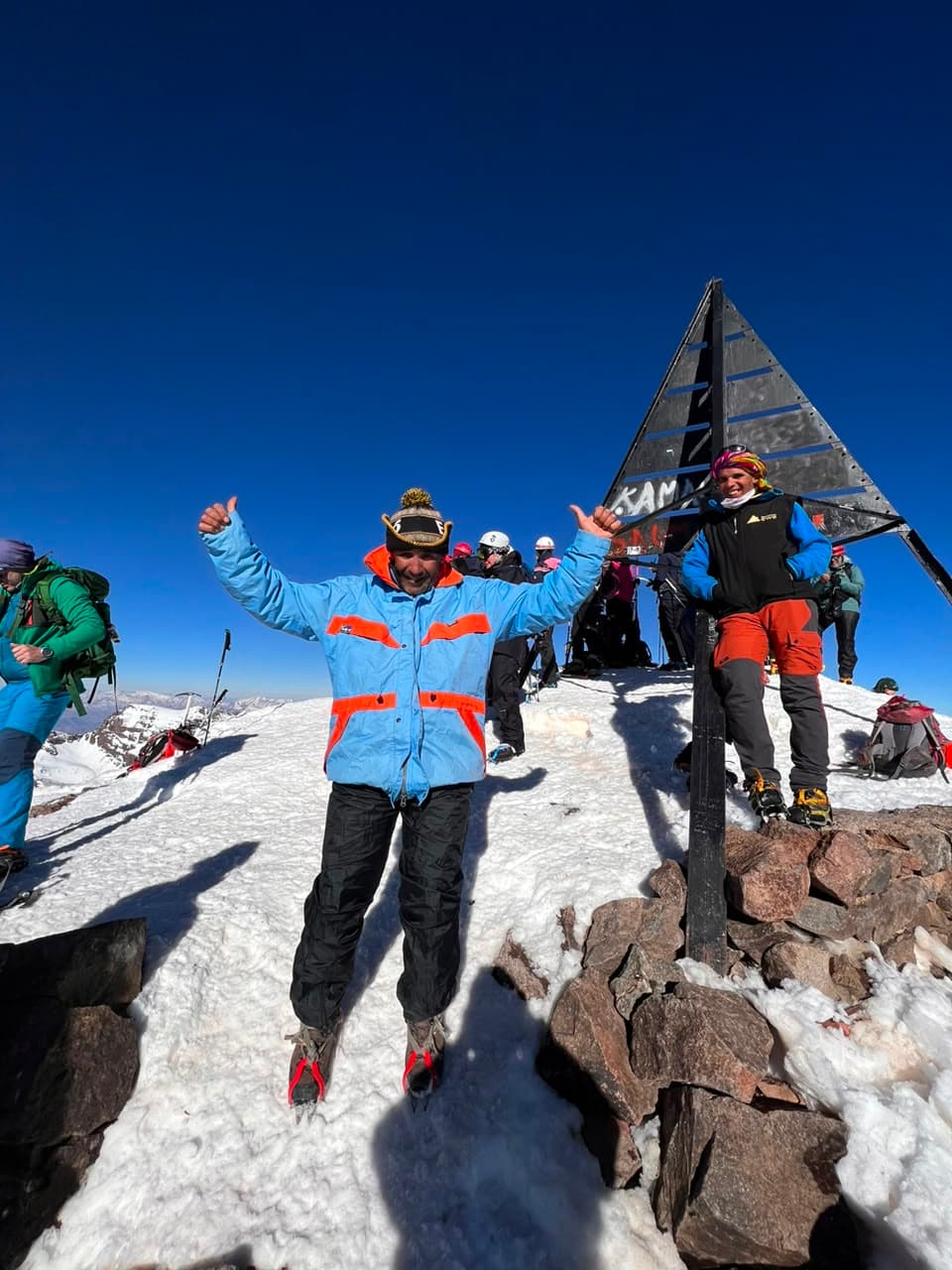
4-Day Toubkal Summit Trek from Marrakech
- Summit Jbel Toubkal at 4,167 m — highest peak in North Africa
- Sleep in traditional Berber mountain refuges at 3,207 m
- Start in the trailhead village of Imlil, deep in the Atlas
€260 / person for 6+
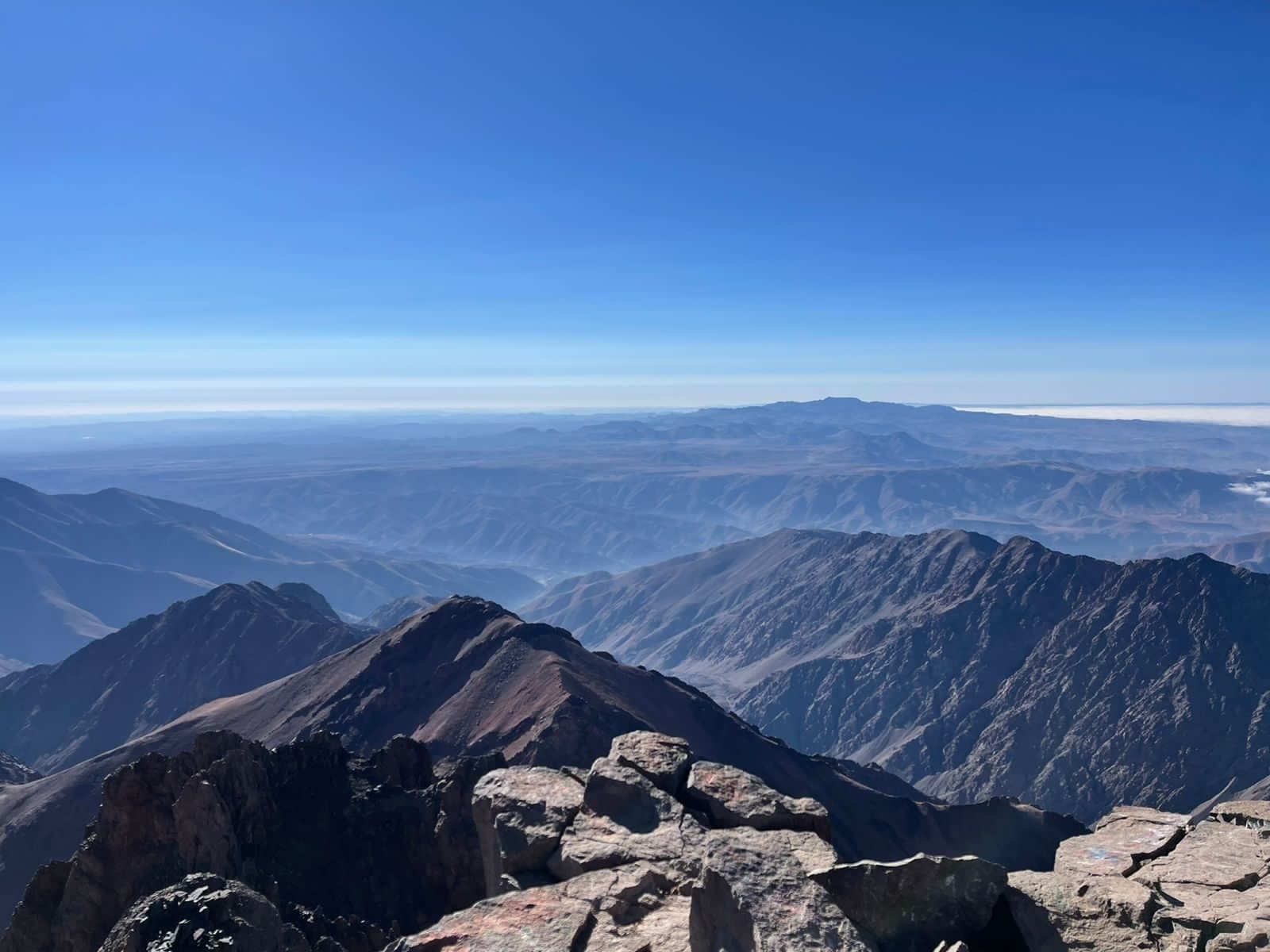
Mount Toubkal Express — 2-Day Summit from Marrakech
- Summit Jbel Toubkal (4,167 m) in just two days from Marrakech
- Overnight in the Toubkal Refuge at 3,207 m
- Pass the Sidi Chamharouch shrine and its waterfall
€153 / person for 6+