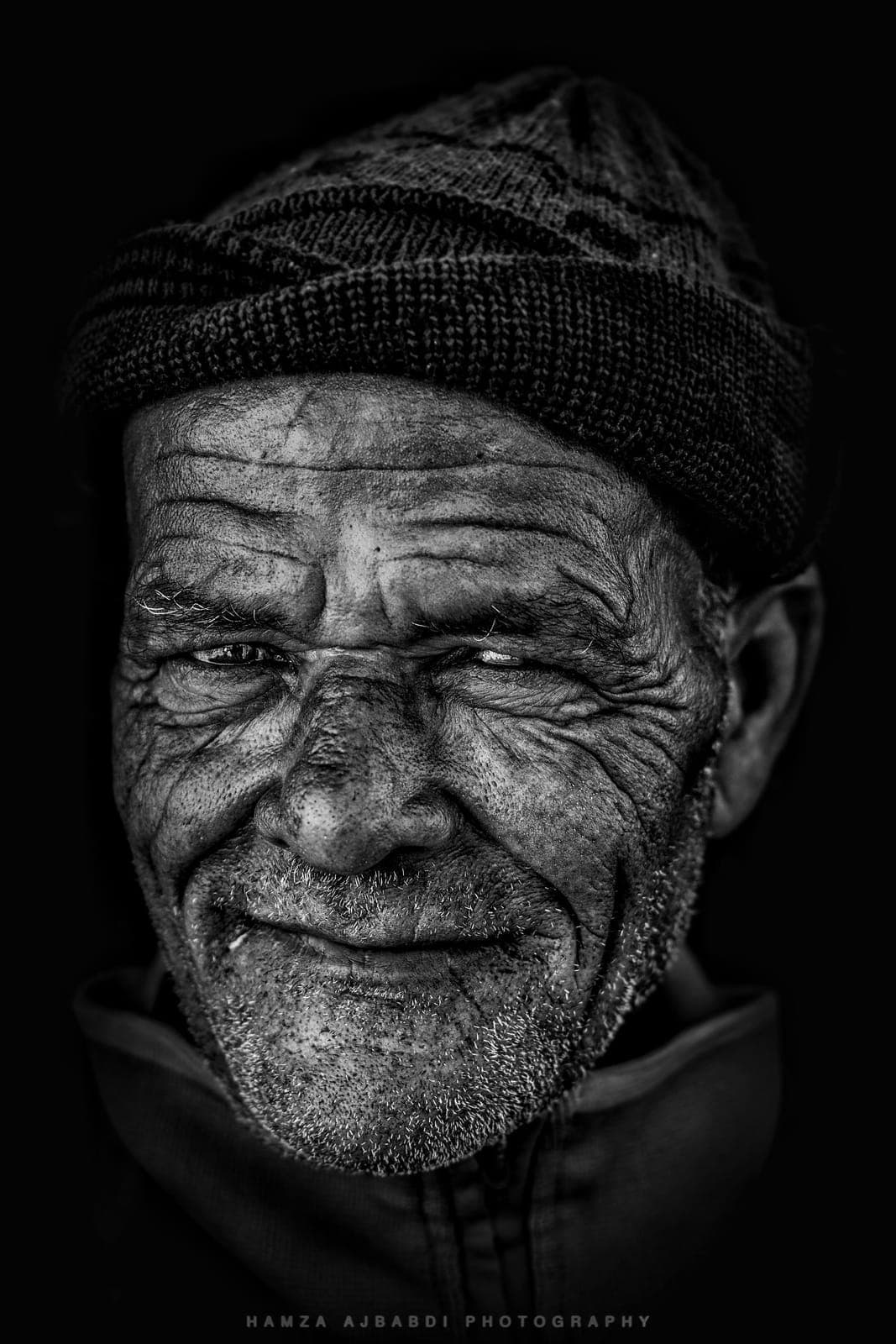
Our guides are Berber, our father was one of the first licensed Berber mountain guides in the High Atlas, and the word gets used constantly on Morocco trips without much explanation. Here is what it actually means.
Not a Subculture — One of Morocco's Two Foundations
The word "Berber" gets used constantly on a Morocco trip — Berber villages, Berber carpets, Berber guides, Berber pharmacy — often without much explanation of what it actually means. We are a family of Berber guides, so this is not an outside summary. It's worth saying plainly at the start: Berbers, or Amazigh people, are not a minority subculture inside Morocco. Alongside Arab Moroccans, they are one of the country's two foundational populations, and the two have been intermarrying and mixing for well over a thousand years. Most Moroccans carry both heritages.
Amazigh, Not Just Berber
The people who are called "Berbers" call themselves Imazighen (singular Amazigh) — the word is generally understood to mean "free people" or "noble people." "Berber" is the older, external name, related to the same root as "barbarian," used historically by Roman and later Arab writers. It has stuck in everyday use, including in tourism, and is not considered an insult in that context. But Amazigh is the people's own name for themselves, and it is the more precise term — since 2011, Tamazight has been a constitutionally official language of Morocco, and "Amazigh" is now standard in government and education. You will hear both words used interchangeably in the Atlas, including by us.
A Language, Not a Dialect
Tamazight is not a form of Arabic. It belongs to an entirely separate language family, spoken across North Africa for thousands of years, well before Arabic arrived with the Islamic conquests of the 7th century. Morocco has several regional varieties — Tashelhit in the High Atlas and Souss region around Agadir, Tamazight in the Middle Atlas, and Tarifit in the Rif mountains to the north. Its own script, Tifinagh (ⵜⵉⴼⵉⵏⴰⵖ), is one of the oldest writing systems still in use in Africa, and it now appears on road signs and public buildings alongside Arabic and French.
Life in the High Atlas
In the mountain villages where most of our treks run — Imlil, the Ourika valley, the Toubkal massif — the population is overwhelmingly Amazigh, and daily life still runs on patterns shaped by centuries in this terrain: terraced farming on impossibly steep slopes, transhumance (seasonal herding between valley and high pasture), and mud-brick and stone architecture built for a mountain climate. Mountain guiding itself grew directly out of this: the people who knew these passes because they had walked them their whole lives became the people who led the first foreign trekkers up them, a role our own father held in the 1980s.
The Flag You'll See on Shop Doors and Car Stickers
Alongside the Moroccan national flag, you will often spot a second flag around the country — three horizontal bands of blue, green and yellow, with a red symbol in the middle that looks like a stylized figure with arms and legs spread. This is the Amazigh flag, designed in 1978 by the Berber Academy, a Paris-based Amazigh cultural association active at the time. Each color maps onto the traditional Amazigh homeland, Tamazgha, which stretches across North Africa far beyond Morocco's borders: blue for the Mediterranean, green for the mountains and cultivated land, yellow for the Sahara. The red symbol at the center is the letter ⵣ (yaz) from the Tifinagh alphabet — the same letter that opens the word Amazigh itself, and is often translated as representing "the free man." It is not an official state flag, but it is flown widely and without controversy, including at Amazigh cultural events, on some shopfronts in the Atlas and Souss, and occasionally alongside the Moroccan flag at official Amazigh-language ceremonies.
Yennayer: The Amazigh New Year
If you are ever in Morocco in mid-January, you may notice a holiday that has nothing to do with the Islamic or Gregorian calendars: Yennayer, the Amazigh New Year. It marks the start of the Amazigh agricultural calendar, a farming calendar older than the arrival of Islam in North Africa, and it is counted in its own year numbering — January 2026 marked the start of the year 2976 on that calendar, not 2026. In May 2023, King Mohammed VI announced that Yennayer would become an official, paid public holiday, and January 14, 2024 was the first year it was marked as one nationwide, alongside the country's other public holidays. In practice, many Amazigh families and communities begin the celebration a day or two earlier, on the evening of January 12th or 13th, with a special family meal — dishes vary by region, but couscous with seven vegetables and a chicken or lamb tagine are common — before the 14th itself.
It is a genuinely useful thing to know before a trip, not just a cultural footnote: a January visit means you may see Tifinagh banners and Yennayer greetings in Marrakech and mountain villages alike, and if your trip happens to land on the date itself, it is a good excuse to ask your guide how their own family marks it — every valley does it slightly differently.
Why This Matters on a Trip
Understanding this isn't trivia — it changes how a trek reads. When a guide points out a village and says "that's a Berber village," it helps to know that's not describing an isolated minority enclave; it's describing the majority culture of the mountains you're walking through, with its own language, architecture, calendar and history stretching back further than the country's Arabic name. If you want the version of this that is specifically about the mountains, see Do You Need a Guide to Climb Toubkal?, which explains why that guiding tradition is now also a legal requirement.
Frequently asked questions
Is it 'Berber' or 'Amazigh'?
Are Berbers a minority in Morocco?
Do Berbers have their own language?
Will my guide be Berber?
Trips that go here
Guided by the team who wrote this guide.
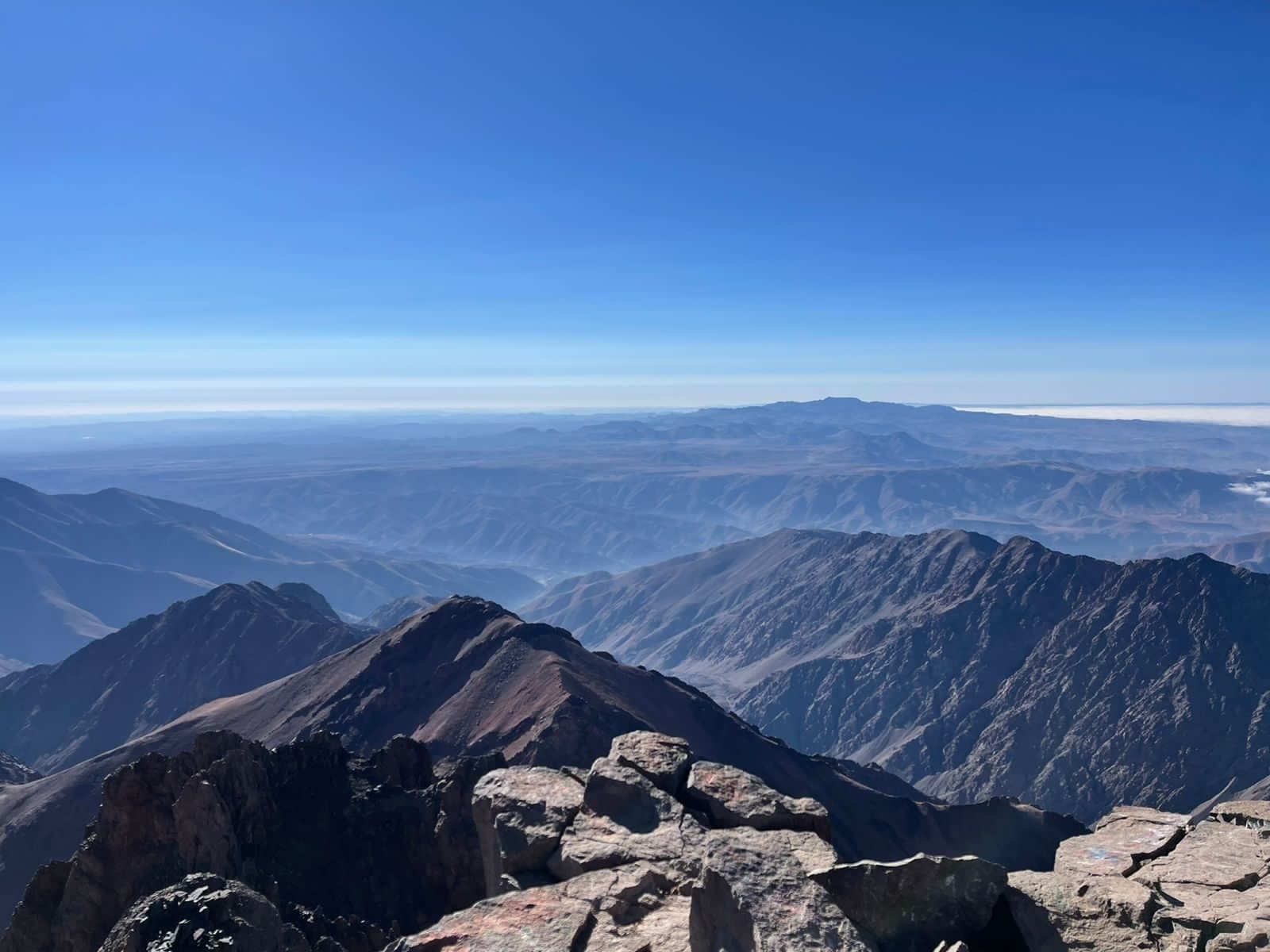
Mount Toubkal Express — 2-Day Summit from Marrakech
- Summit Jbel Toubkal (4,167 m) in just two days from Marrakech
- Overnight in the Toubkal Refuge at 3,207 m
- Pass the Sidi Chamharouch shrine and its waterfall
€153 / person for 6+
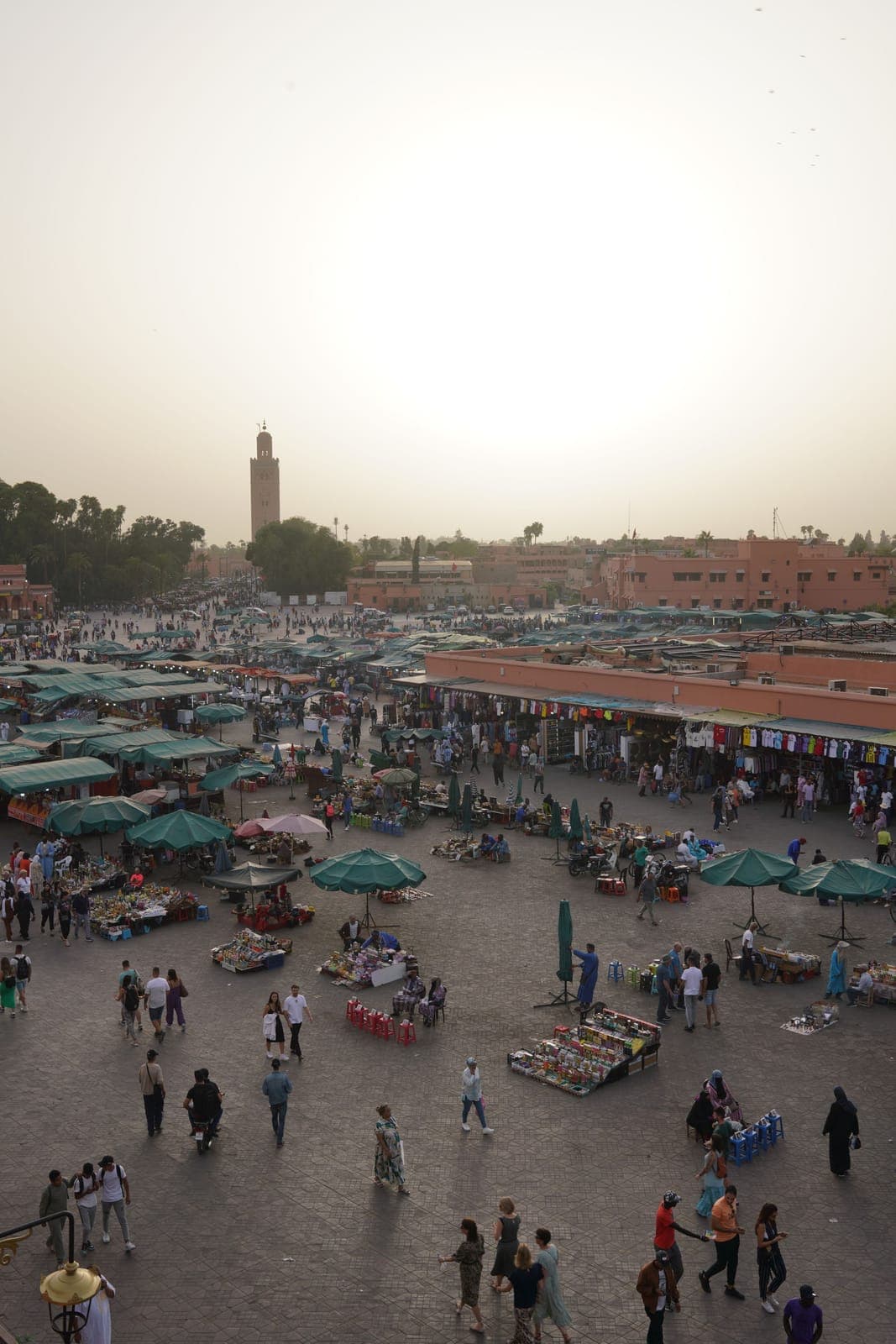
Marrakech Medina — Cultural Tour
- Djemaa El-Fna square at its most vibrant
- Leather tanneries viewed from a private rooftop
- Ben Youssef Madrasa — 16th-century Islamic college
€31 / person for 6+